
Store Ginger Properly to Keep It Fresh and Flavorful for Months
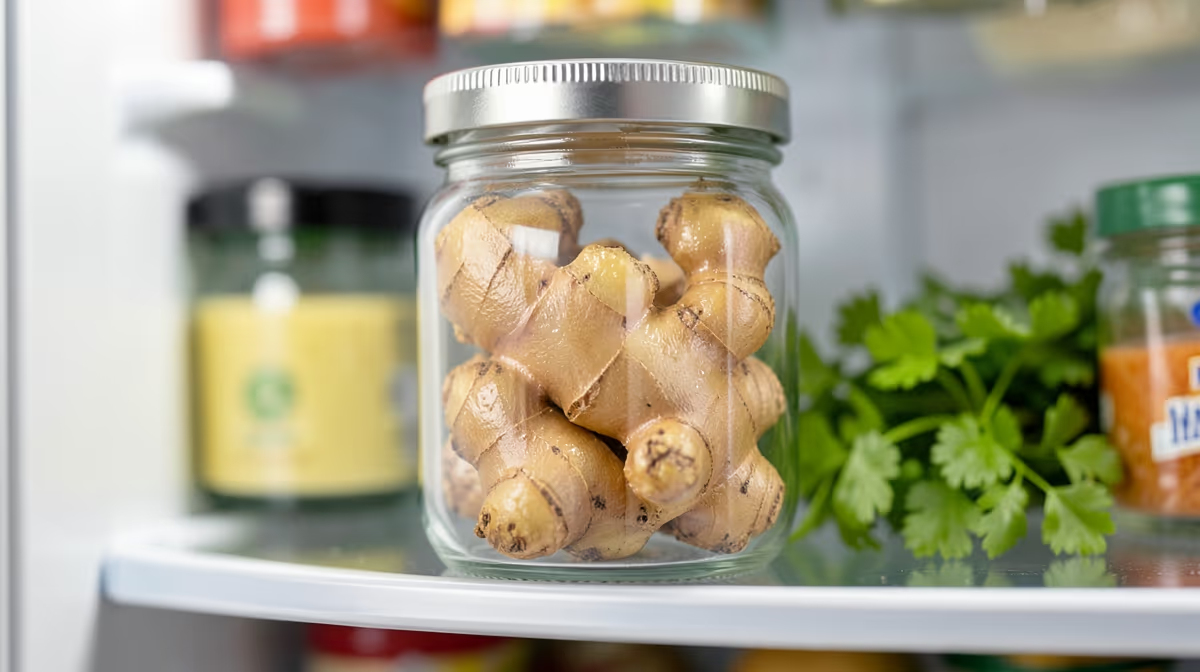
Keeping fresh ginger root on hand can elevate your cooking, but it quickly shrivels or grows mold if left on the kitchen counter. Knowing how to store ginger properly ensures you always have its bright, fiery flavor ready for your stir-fries, teas, and bakes. With the right techniques, you can easily extend its shelf life from a few days to several months. Whether you have a small nub or a massive hand of ginger, simple kitchen adjustments will prevent waste and preserve its aromatic heat.
The absolute best way to store fresh ginger for up to three weeks is to keep it unpeeled in a resealable airtight plastic bag in your refrigerator's crisper drawer with all the air pressed out.
Choosing the Best Ginger at the Store
The longevity of your ginger depends heavily on its quality when you buy it. Even the best storage methods cannot salvage a root that is already starting to rot. When shopping at the grocery store or local market, look for ginger roots that feel heavy for their size, with firm, smooth skin.
- Avoid ginger with wrinkled, papery skin, which indicates it is already drying out and losing its essential oils.
- Pass over pieces with soft spots, damp patches, or visible mold near the crevices or joints.
- Inspect the cut ends of the root to ensure they are dry and clean, not damp or dark.
- Snapping off a small knob should produce a clean, sharp snap rather than a bend.
Preparing Ginger for Storage
Before placing your ginger into any long-term storage setup, proper preparation is essential to prevent mold growth. Moisture is the single greatest enemy of fresh ginger, as it encourages fungal spores to develop in the crevices of the root.
- Shake off any loose dirt or debris from the root's surface.
- If the ginger is damp, lay it out on a clean kitchen towel in a dry, well-ventilated area until the skin feels completely dry to the touch.
- Do not wash the ginger unless it is visibly dirty; if you must wash it, ensure it dries completely for several hours before storing.
- Trim away any small, soft, or damaged spots with a sharp knife, then let the cut area air-dry and form a dry seal before packing it away.
Short-Term Storage in the Refrigerator
For daily or weekly cooking needs, the refrigerator is the most convenient place to keep your ginger. Exposure to ambient air and fluctuating humidity is the main cause of spoilage, so keeping the root sealed in a protective environment is critical.
To store ginger in the fridge, follow these steps:
- Wrap the unpeeled ginger root loosely in a dry paper towel to absorb any excess moisture that may accumulate inside the container.
- Place the wrapped root into a zip-top plastic bag.
- Squeeze out as much air as possible from the bag before sealing it completely.
- Store the bag in the vegetable crisper drawer of your refrigerator, which has controlled humidity levels.
If you have already peeled a portion of the ginger, it will spoil much faster. Wrap peeled ginger tightly in plastic wrap before sealing it in an airtight container, and use it within one week to prevent the flesh from drying out or turning slimy.
Long-Term Storage in the Freezer
If you bought more ginger than you can use in a few weeks, freezing is an incredibly effective method that preserves flavor without changing the texture of the grated root.
You can freeze ginger whole, sliced, or minced depending on how you plan to use it later:
- Whole Root: Place the unpeeled root directly into a freezer-safe bag, press out the air, and freeze.
- Sliced Ginger: Peel the root, slice it into coins, and freeze them in a single layer on a parchment-lined baking sheet before transferring them to a freezer bag.
- Minced Ginger: Grate or puree the peeled ginger, portion it into teaspoon-sized mounds on a baking tray, freeze solid, and then store the frozen mounds in a container.
Frozen ginger is actually much easier to grate than fresh ginger, and you do not even need to peel it first.
Preserving Ginger in Liquid
Another highly effective method to preserve ginger for up to several months is storing peeled slices in liquid. This is an excellent choice if you use ginger frequently in cooked dishes and marinades.
Peel the ginger and cut it into thin slices or matchsticks. Place the ginger in a clean glass jar and submerge it completely in an acidic or alcoholic liquid.
- Vodka or dry sherry: The alcohol prevents bacterial growth while absorbing the ginger flavor, creating a flavorful cooking liquid.
- Rice vinegar or white vinegar: This slightly pickles the ginger, which works beautifully in Asian-inspired dishes, sushi, and cold salads.
Keep the jar tightly sealed in the refrigerator. Always use a clean fork to retrieve the ginger to prevent introducing bacteria to the liquid.
Ginger Storage Methods Compared
This table outlines the typical shelf life, ideal storage conditions, and best culinary uses for each storage method.
| Method | Shelf Life | Ideal Location | Best For |
|---|---|---|---|
| Countertop (unpeeled) | 1 week | Dark, cool pantry | Immediate daily use |
| Refrigerator (airtight bag) | 3 to 4 weeks | Crisper drawer | General cooking and teas |
| Refrigerator (peeled, wrapped) | 1 week | Main fridge shelf | Quick stir-fries |
| Freezer (whole or sliced) | 5 to 6 months | Freezer shelf | Grating into hot dishes |
| Acid/Alcohol Liquid | 2 to 3 months | Main fridge shelf | Stir-fries and marinades |
Signs Your Ginger Has Gone Bad
Fresh ginger eventually spoils, and using bad ginger can ruin the taste of your dish. Watch for these physical signs of decay to know when it is time to throw it out:
- Texture: The root becomes soft, mushy, or shriveled, losing its firm structure.
- Appearance: Dark brown spots, graying flesh, or visible blue-green mold appear on the skin or cut ends.
- Smell: Healthy ginger has a sharp, spicy, and woody aroma, while spoiled ginger smells musty, sour, or fermented.
- Interior: When sliced open, spoiled ginger will look dull, dark yellow, or gray, rather than bright yellow.
Frequently Asked Questions
Can you freeze ginger with the skin on?
Yes, you can freeze whole ginger with the skin on. When you are ready to use it, simply grate the frozen root directly into your dish; the thin skin will easily disintegrate.
Why does ginger turn blue or gray inside?
Some varieties of ginger naturally contain pigments that can cause the flesh to develop a blue-gray hue when exposed to cold temperatures or acid. If the ginger is still firm and lacks mold, it is perfectly safe to eat.
Is it necessary to peel ginger before storing it?
It is best to leave the skin on during storage, as it acts as a natural protective barrier against moisture loss. Only peel the ginger right before you plan to use or preserve it in liquid.
How long does peeled ginger last in the fridge?
Peeled ginger is highly susceptible to drying out and molding. If wrapped tightly in plastic wrap and stored in an airtight container, it will last for about one week in the refrigerator.
Conclusion
Storing ginger properly depends on how quickly you plan to use it. For short-term needs, an airtight bag in the refrigerator crisper keeps it fresh for up to a month, while freezing offers a convenient, long-term solution. By choosing high-quality roots and controlling their exposure to air and moisture, you can minimize waste and keep this vibrant spice ready for your next meal.


