
Signs it's time to replace your kitchen knives for safer home cooking
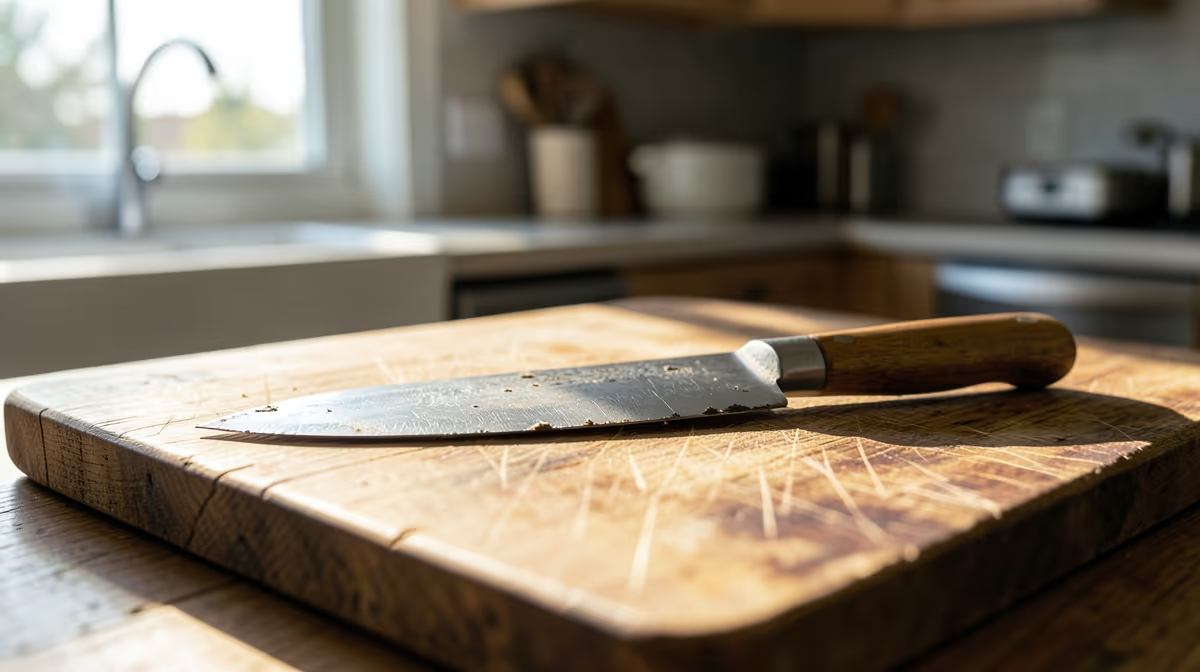
Preparing ingredients with a dull, damaged blade makes cooking frustrating and increases your risk of accidental slips. Recognizing the signs it's time to replace your kitchen knives is essential for maintaining a safe, functional, and enjoyable kitchen. While high-quality steel can last for years with proper care, no blade is completely immortal. Knowing when to retire a tool prevents unnecessary hand strain and ensures clean, precise cuts every time you prep a meal.
A knife with a bent blade, cracked handle, or persistent dullness that cannot be fixed by professional sharpening poses a safety risk and should be replaced immediately.
Physical Damage to the Blade
A knife blade should have a continuous, smooth cutting edge. Over time, hitting bone, frozen foods, or hard surfaces can cause minor nicks. However, when these nicks turn into deep chips, the blade's structural integrity is compromised. A chip creates a weak point where the metal can snap under pressure. Furthermore, a bent blade or a snapped tip cannot be safely repaired at home. If your blade has lost its straight profile, it will no longer make flat contact with the cutting board, leaving your food unevenly sliced.
Loose or Cracked Handles
The handle is your point of control. If it wobbles, creaks, or shifts while you slice, the knife is no longer safe to use. Many high-quality knives feature a full tang, meaning the steel of the blade extends all the way through the handle. If the rivets holding the handle scales to the tang become loose, or if a wooden handle cracks and splinters, moisture will seep inside. This moisture breeds bacteria and rusts the steel from the inside out, eventually leading to sudden handle failure mid-cut.
Safety warning: Never attempt to use a knife with a loose handle, as a sudden separation of the blade from the handle can cause severe hand injuries.
The Steel No Longer Holds an Edge
Every knife dulls with use, but regular sharpening should bring back its bite. If you find yourself running your knife over a whetstone every single week just to get through a basic tomato, the steel has degraded. Over years of sharpening, you gradually grind away the metal. Eventually, you reach the thicker part of the blade near the bolster, making it physically impossible to grind a thin, sharp edge again. When sharpening no longer restores that effortless glide, the knife has reached the end of its functional life.
Comparing Wear and Tear on Knife Types
Different knives experience wear in unique ways due to their tasks and construction. Slicing soft bread puts different stresses on metal than hacking through squash.
| Knife Type | Primary Sign of Wear | Risk of Retaining |
|---|---|---|
| Chef's Knife | Rounded profile, thick edge near bolster | High finger slippage, crushed herbs |
| Paring Knife | Severely shortened or bent blade from prying | Loss of precision, high risk of cuts |
| Bread Knife | Flattened, smooth serration teeth | Crushed bread loaves, jagged slices |
| Boning Knife | Loss of flexibility, deep nicks | Poor meat yield, blade snapping on bone |
How to Test if Your Knife is Salvageable
Before throwing a knife away, perform a simple diagnostic check. The classic paper test is the easiest way to assess the blade. Hold a single sheet of standard printer paper vertically. Try to slice downward through the edge of the paper using the heel-to-tip motion of the knife. A functional blade will slice cleanly without tearing. If it rips or slips off the paper entirely, try professional sharpening once. If a professional cannot restore the edge, these are clear signs it's time to replace your kitchen knives.
Proper Maintenance to Extend Knife Lifespan
To avoid recognizing these signs too quickly in your next set of knives, establish solid maintenance habits. Never wash your kitchen knives in the dishwasher; the harsh detergents, high heat, and clanging against other dishes will ruin the steel and handles. Always hand wash them with warm soapy water and dry them immediately with a towel. Use wood, bamboo, or plastic cutting boards rather than glass or stone, which instantly dull and chip your blades.
Frequently Asked Questions
Can you repair a chipped kitchen knife?
Small chips can often be ground out by a professional sharpener. However, deep chips or cracks near the bolster compromise the blade's structure and usually mean the knife must be replaced.
How long should a good kitchen knife last?
High-quality knives can last for decades, or even a lifetime, if they are properly hand-washed, stored, and sharpened. Cheaper knives made of softer steel typically need replacement every few years as the metal wears down faster.
Is it cheaper to sharpen or replace kitchen knives?
Professional sharpening usually costs a fraction of the price of a new high-quality knife. However, if the knife was inexpensive to begin with or is structurally damaged, replacing it is more cost-effective.
Why does my kitchen knife dull so quickly?
Rapid dulling is often caused by cutting on hard surfaces like glass or granite, washing the knife in the dishwasher, or using poor steel. Adjusting your cutting board material and hand-washing your blades will help maintain their sharpness longer.
Conclusion
Investing in a reliable set of kitchen knives and knowing when to retire your old ones keeps your kitchen safe and efficient. Keep an eye out for chipped steel, loose handles, and blades that can no longer hold an edge. Taking swift action protects your hands and ensures your daily meal prep remains a pleasure rather than a chore.

