
Keep Brown Sugar From Hardening With These Simple Storage Methods
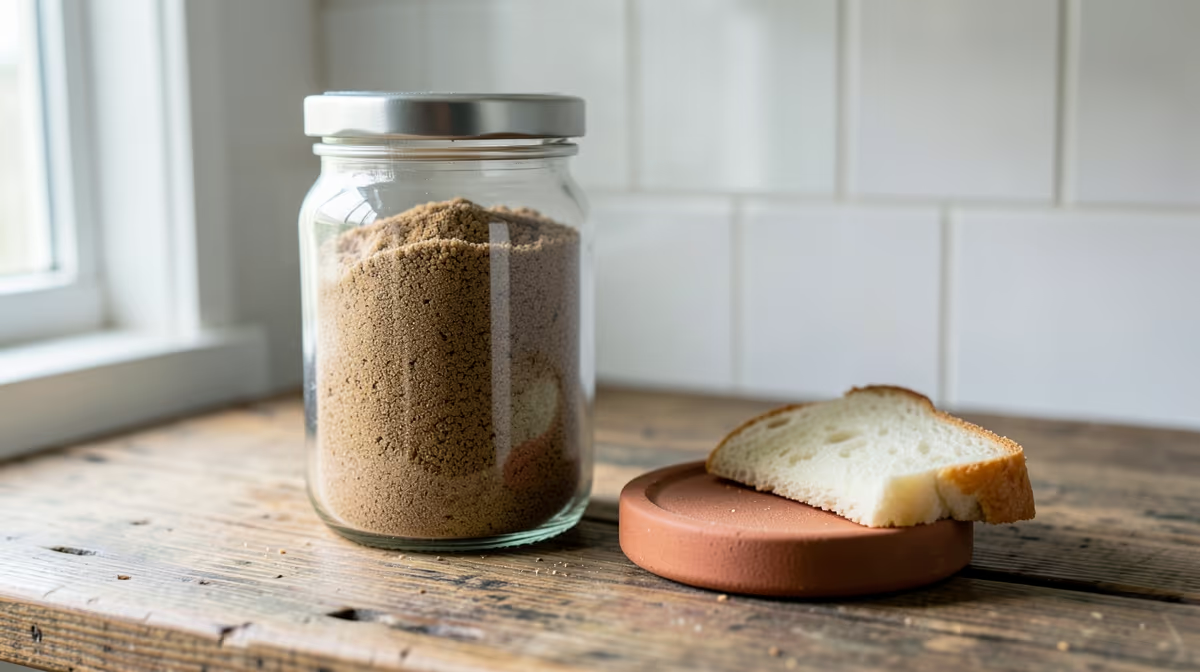
Brown sugar turns into a rock-hard block when it loses its natural moisture. Knowing how to keep brown sugar from hardening saves you time in the kitchen and prevents wasted ingredients during your baking projects. Unlike granulated white sugar, brown sugar relies on a delicate balance of moisture to stay soft and scoopable. When exposed to air, this moisture evaporates quickly, leaving behind a solidified mass of crystals.
The secret to keeping brown sugar soft is maintaining its moisture level by storing it in a truly airtight container alongside a moisture-releasing helper like a terracotta saver or a slice of bread.
Why Brown Sugar Hardens in the First Place
To prevent brown sugar from turning into a brick, it helps to understand its unique composition. Brown sugar is simply white granulated sugar coated with a thin layer of molasses. This molasses film contains natural water, which gives brown sugar its characteristic soft, sticky texture and rich caramel flavor.
Molasses is highly hygroscopic, meaning it naturally absorbs moisture from the air. However, in typical indoor environments, household humidity is much lower than the moisture level of the sugar. When you open a bag of brown sugar and leave it exposed to dry air, the water content in the molasses evaporates. As the moisture leaves, the sugar crystals stick directly to one another. The dried molasses acts like cement, gluing the crystals into an unyielding structure. Therefore, the entire goal of proper storage is to prevent evaporation and reintroduce microscopic amounts of humidity when necessary.
The Best Containers for Brown Sugar Storage
The original thin plastic bag that brown sugar comes in from the grocery store is not designed for long-term storage. Once you snip the corner or open the flimsy plastic seal, air will seep in. Transferring your sugar to a proper vessel is the first and most critical step.
- Glass jars with rubber gaskets: Classic mason jars or storage jars with a latch lid and a rubber seal create an excellent barrier against dry air.
- Plastic pop-top canisters: Modern plastic canisters designed specifically for dry goods often feature a lid with a silicone button that pushes out excess air and locks the lid in place.
- Zip-top freezer bags: If you use plastic bags, choose heavy-duty freezer bags rather than thin sandwich bags. Squeeze out as much air as possible before sealing the bag completely.
No matter which style you choose, make sure the lid fits tightly. An airtight container is your primary defense against moisture loss.
Pantry Items That Keep Brown Sugar Soft
Even in a sealed container, the small amount of air trapped inside can cause brown sugar to dry out over time. You can counteract this by adding a food-safe moisture source into the container with the sugar. There are several household items you can use inside your storage container to keep brown sugar from hardening.
- A slice of fresh bread: Plain white bread is ideal because it has no strong aromas that will transfer to your sugar. The sugar will draw moisture out of the bread, keeping itself soft while the bread dries out.
- Apple slices: A slice of apple works similarly to bread. However, you must monitor this method closely, as apples can rot or mold if left in the container for too long.
- Large marshmallows: Two or three marshmallows placed in the jar will slowly release moisture. This is a clean, mess-free option that does not spoil quickly.
- Terracotta clay discs: Specially designed clay discs absorb water when soaked and slowly release it into the surrounding air over several weeks.
Comparison of Moisture-Saving Inserts
This table compares the most common household inserts you can use inside your storage container to keep your sugar pliable.
| Storage Insert | Lifespan Before Replacement | Risk of Mold | Best For |
|---|---|---|---|
| Terracotta Disc | 3 to 6 months | Extremely Low | Long-term hands-off storage |
| Slice of Bread | 1 to 2 weeks | Medium | Quick fixes with pantry staples |
| Apple Slice | 2 to 3 days | High | Emergency softening |
| Marshmallows | 1 to 2 months | Low | Neat, scent-free moisture control |
How to Use a Terracotta Sugar Saver
A terracotta sugar saver is a small, reusable clay tile that offers the cleanest, most reliable way to maintain the texture of your brown sugar. Because clay is highly porous, it acts like a sponge, holding onto water and releasing it at an incredibly slow, controlled rate.
- Soak the clay disc in clean, cold water for 15 to 20 minutes.
- Pat the disc dry with a clean towel so that it is damp but not dripping wet.
- Place the damp disc directly on top of the brown sugar in your airtight container.
- Seal the lid tightly.
Never place a dripping wet terracotta disc directly into dry sugar, as this will dissolve the sugar crystals nearby and create a sticky, liquid mess.
Every three to six months, or whenever you notice the sugar starting to lose its softness, simply remove the disc, soak it again, and return it to the jar.
Ideal Pantry Environments for Sugar Storage
Storing your container in the right environment is just as important as the container itself. Temperature fluctuations can cause condensation to build up inside the container. When that condensation evaporates and redeposits, it can create a hard crust on the surface of your sugar.
Keep your brown sugar container in a cool, dark place, such as a pantry or a low kitchen cabinet. Avoid storing it near heat-generating appliances like your oven, stove, dishwasher, or refrigerator vents. The ambient heat from these appliances will warm the air inside the jar, accelerating the drying process.
Emergency Methods to Soften Hard Brown Sugar
If you forgot to store your sugar properly and now have a solid block right when you need to bake, you do not have to throw it away. You can easily restore its moisture using one of these rapid rescue methods.
The Microwave Method
The Low-Oven Method
Frequently Asked Questions
How do I keep brown sugar from hardening long term?
Store the sugar in a heavy-duty airtight container with a damp, pre-soaked terracotta sugar saver. Keep the container in a cool, dark place like a pantry away from heat sources to maintain a stable climate.
Can you use foil to keep brown sugar soft?
Foil alone will not keep brown sugar soft because it cannot create an airtight seal to prevent evaporation. However, you can wrap a damp paper towel in foil with holes poked in it to act as a slow-release moisture source inside a sealed jar.
Why does bread stop brown sugar from getting hard?
Brown sugar is highly hygroscopic, meaning it naturally pulls moisture from its surroundings. When placed in an airtight space with a slice of bread, the sugar absorbs the moisture evaporating from the bread, keeping the molasses coating hydrated and soft.
How long does brown sugar stay soft with a terracotta disc?
A pre-soaked terracotta disc will typically keep your sugar soft for three to six months. Once you notice the sugar beginning to lose its moisture, simply remove the disc, re-soak it in water, and place it back in the container.
Conclusion
Keeping brown sugar soft and scoopable is simple once you understand how moisture affects the molasses coating. By transferring your sugar to a high-quality airtight container and adding a slow-release moisture source like a terracotta disc or a slice of bread, you can keep your brown sugar fresh for months. If you ever find yourself with a hardened block in the middle of a recipe, a quick session in the microwave or a warm oven will restore its texture in minutes.

