
Best Ways to Store Garlic for Longer and Keep Bulbs Fresh
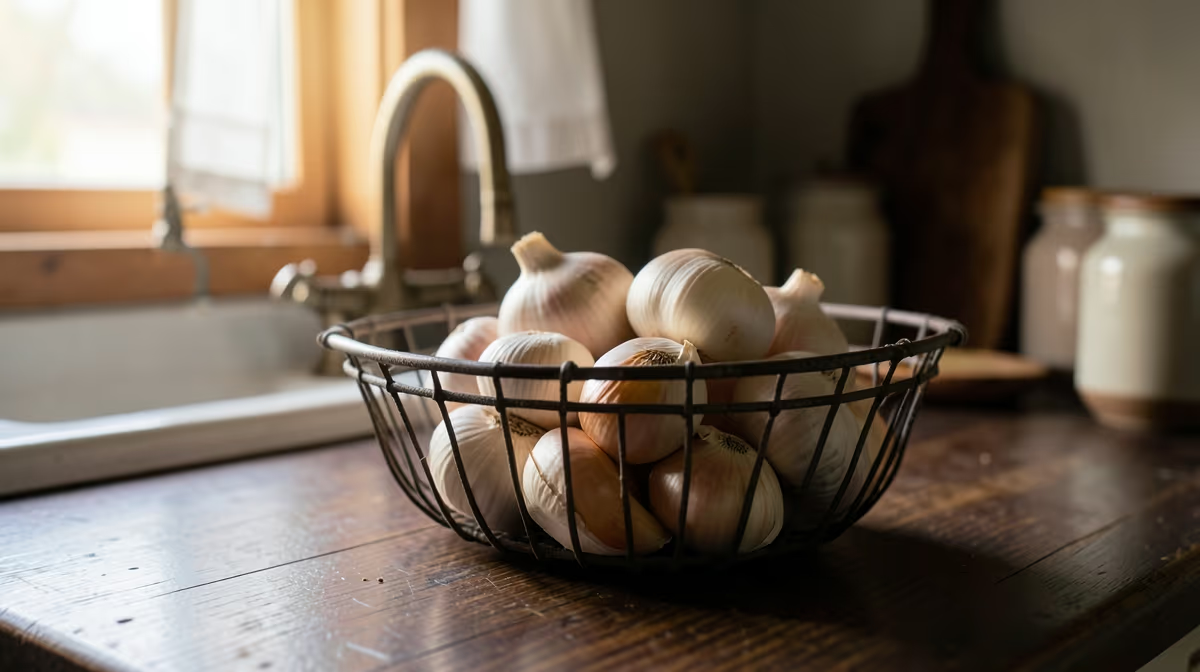
Keeping garlic fresh and flavorful prevents waste and ensures you always have this essential ingredient ready for your meals. If you want to store garlic for longer, the key is understanding how temperature, humidity, and airflow affect the natural lifecycle of the bulb.
Keep whole garlic bulbs in a cool, dry, and dark place with plenty of airflow, and never store whole bulbs in the refrigerator.
The Best Environment for Whole Garlic Bulbs
To keep garlic fresh, you must mimic the conditions of a dry pantry or larder. Whole garlic bulbs are living organisms that respire, meaning they release moisture and gases. If you trap these gases, the garlic will rot quickly.
The ideal temperature range is between 60°F and 65°F (15°C to 18°C). Keeping garlic in this temperature range prevents it from drying out or thinking it is time to grow. If the temperature drops too low, like in a home refrigerator, the bulb believes winter has arrived. When you eventually take it out of the cold, it will start sprouting green shoots within days.
Humidity is another critical factor. Garlic thrives in moderate humidity levels of about 60 percent. If the environment is too humid, mold will grow on the papery outer skin and eventually penetrate the cloves.
Airflow is the final pillar of proper storage. Never store whole garlic bulbs in sealed plastic bags or airtight glass containers because they block air circulation completely. Instead, use wire mesh baskets, open paper bags, or hanging mesh produce sacks. These containers allow air to circulate freely around each bulb, carrying away excess moisture. Keep the storage container in a dark spot, such as a pantry shelf or a low kitchen cabinet, away from the heat of the stove or direct sunlight.
| Storage Location | Ideal Container | Average Shelf Life |
|---|---|---|
| Cool, Dark Pantry | Wire mesh basket or paper bag | 3 to 5 months |
| Kitchen Countertop | Open ceramic garlic keeper | 1 to 2 months |
| Refrigerator (Whole) | Not recommended | 1 to 2 weeks |
| Refrigerator (Peeled) | Airtight glass jar | 2 to 3 weeks |
| Home Freezer (Minced) | Ice cube tray or freezer bag | 10 to 12 months |
How to Store Peeled and Minced Garlic
Once you break the protective papery skin of a garlic bulb or peel individual cloves, the storage rules change completely. Peeled cloves are exposed to oxygen, which initiates the breakdown of the aromatic compounds that give garlic its distinct flavor.
To store peeled garlic cloves, you must use a refrigerator. Place the peeled cloves in an airtight container, such as a small glass mason jar or a plastic storage tub with a locking lid. The airtight seal is crucial because it keeps the garlic from drying out and prevents its powerful aroma from permeating other foods in your fridge, like milk or butter. Under these conditions, peeled cloves will remain fresh for up to three weeks.
If you prefer to mince your garlic ahead of time for easy meal prep, you can store it in the refrigerator for a very short period. Minced garlic releases all of its volatile oils, meaning it degrades much faster than whole peeled cloves. Store minced garlic in a tiny jar, cover it with a thin layer of olive oil to minimize contact with air, and seal the lid tightly. This minced garlic must be used within two to three days to maintain its flavor and ensure food safety.
Can You Freeze Garlic?
Freezing is an exceptionally effective way to store garlic for longer without losing its pungent, savory flavor. While frozen garlic loses its crisp, firm texture, it works beautifully in cooked dishes like soups, stews, sauces, and stir-fries. You can freeze garlic in several different forms depending on how you plan to use it.
Freezing Whole Cloves
This is the simplest method. Peel the cloves and spread them out in a single layer on a baking sheet lined with parchment paper. Place the baking sheet in the freezer for about two hours until the cloves are frozen solid. This step prevents the cloves from sticking together in a giant clump. Once frozen, transfer the cloves to a heavy-duty freezer bag, squeeze out as much air as possible, and label the bag with the date.
Freezing Minced Garlic Cubes
For ultimate convenience during busy weeknight cooking, freeze your garlic in pre-measured portions.
- Mince a large batch of garlic using a knife, food processor, or garlic press.
- Spoon the minced garlic into a silicone ice cube tray, pressing it down firmly.
- Pour a small amount of neutral cooking oil or water over each compartment just to cover the garlic.
- Freeze the tray until the cubes are solid, then pop them out and store them in a zip-top freezer bag.
Each cube represents a specific amount of garlic, which you can drop directly into a hot pan without thawing.
When freezing garlic in oil, always transfer the mixture directly to the freezer immediately after preparation to prevent any risk of bacterial growth.
Preserving Garlic in Vinegar or Oil
Preserving garlic in liquids is a popular culinary practice, but it requires strict attention to safety guidelines. Garlic is a low-acid vegetable that grows in the soil, meaning it can carry spores of Clostridium botulinum. In an anaerobic (oxygen-free) environment like oil, these spores can produce a dangerous toxin if kept at room temperature.
If you want to preserve garlic in oil, you must store the mixture in the freezer. Never store homemade garlic-in-oil mixtures on your kitchen counter or even in the refrigerator for more than four days. The freezer is cold enough to halt the growth of these bacteria, keeping your garlic oil safe to use for up to several months.
Pickling garlic in vinegar is a safe alternative for refrigerator storage. The high acidity of vinegar prevents the growth of botulism spores. To pickle garlic, peel your cloves and place them in a clean glass jar. Heat a mixture of white vinegar or white wine vinegar, salt, sugar, and your favorite spices (such as mustard seeds, peppercorns, or bay leaves) until it boils. Pour the hot vinegar mixture over the garlic cloves, seal the jar, and let it cool. Store the pickled garlic in the refrigerator, where it will keep for up to four months. The garlic will develop a tangy, mellow flavor that works well on charcuterie boards, in salads, or alongside roasted meats.
Common Garlic Storage Mistakes to Avoid
Many home cooks unintentionally shorten the shelf life of their garlic by making simple mistakes in the kitchen. Recognizing these habits will help you keep your ingredients fresh.
- Storing whole bulbs in plastic bags: Plastic traps moisture and prevents airflow, creating a humid microclimate that encourages mold growth within days.
- Keeping garlic on the windowsill: While it might look beautiful in a sunny kitchen, direct sunlight warms the bulb and speeds up the drying process, making the cloves shriveled and useless.
- Refrigerating whole, unpeeled garlic: The cold, damp environment of a refrigerator mimics winter, triggering the garlic to sprout green shoots as soon as it returns to room temperature.
- Leaving minced garlic in oil on the counter: As mentioned, this creates a severe risk of food poisoning. Always freeze this mixture or use it immediately.
Signs That Your Garlic Has Gone Bad
Even with the best storage practices, garlic will eventually reach the end of its shelf life. Knowing how to spot the signs of spoilage prevents you from ruining a recipe with bitter or off-tasting garlic.
First, check the physical texture of the bulb. Fresh garlic should feel firm and heavy when you squeeze it gently. If the bulb feels soft, hollow, or spongy, the moisture inside has evaporated, and the cloves have shriveled.
Second, look closely at the color of the cloves. Healthy garlic cloves are a pale white or light cream color. If you peel a clove and find yellow, brown, or translucent spots, the garlic is starting to decay.
Third, inspect the garlic for mold. If you see black, gray, or green powdery spots on the outer papery skin or on the root end of the bulb, discard the entire bulb. Mold spores can quickly travel throughout the interior cloves, even if they are not yet visible to the naked eye.
Finally, pay attention to sprouts. Green sprouts growing from the center of a clove indicate that the garlic is aging. While sprouted garlic is safe to eat, the green center has a bitter flavor. If your garlic has sprouted, you can still use it, but you should slice the clove in half lengthwise and scrape out the green center before cooking with it.
Frequently Asked Questions
Can you store garlic in the fridge?
Whole, unpeeled garlic bulbs should not be stored in the refrigerator because the cold, damp climate triggers sprouting. However, once garlic is peeled or minced, it must be stored in the refrigerator in an airtight glass container to prevent spoilage and block odors.
How long does a whole bulb of garlic last?
A whole, unpeeled bulb of garlic can last between three to five months when kept in a cool, dark, and well-ventilated pantry. Once you break the head of garlic to use individual cloves, the remaining unpeeled cloves will last for about ten days to two weeks.
Why is my garlic turning blue or green?
Garlic contains natural amino acids and sulfur compounds that can react with trace minerals or acidic ingredients like vinegar, turning the cloves a blue or green color. This chemical reaction is completely safe, and the garlic remains perfectly edible.
Can you store garlic in olive oil at room temperature?
No, you must never store garlic in olive oil at room temperature because it creates a low-oxygen, low-acid environment where harmful bacteria can grow. Homemade garlic oil mixtures must be stored in the freezer or used within four days in the refrigerator.
Conclusion
Storing your garlic correctly preserves its sharp, savory flavor and prevents unnecessary food waste. By keeping whole bulbs in a cool, dry, well-ventilated space and utilizing your freezer or refrigerator for processed cloves, you can enjoy fresh garlic in your daily cooking for months to come.


