
How to Keep Bananas Fresh Longer: Simple Kitchen Storage Steps
Keeping bananas fresh longer comes down to understanding how these tropical fruits release ethylene gas, which accelerates the ripening process. Without proper intervention, a purchased bunch will transition from green to overripe within just a few days on the counter. By managing their environment and slowing down gas production, you can easily extend their shelf life and reduce food waste in your kitchen.
Wrapping the stem ends of a banana bunch tightly in plastic wrap is the single most effective way to trap ripening gas and add several days of freshness.
Understanding How Bananas Ripen
Bananas continue to ripen after they are harvested, primarily due to the emission of ethylene gas from their stems. This gas acts as a plant hormone that triggers softening and skin discoloration. As the concentration of this gas increases around the fruit, the ripening process speeds up significantly. Separating individual bananas from the main bunch reduces the surface area releasing this gas, which slows down the overall maturation rate. Temperature also plays a major role, as warm environments cause the fruit to release ethylene much faster than cool environments.
Best Countertop Storage Techniques
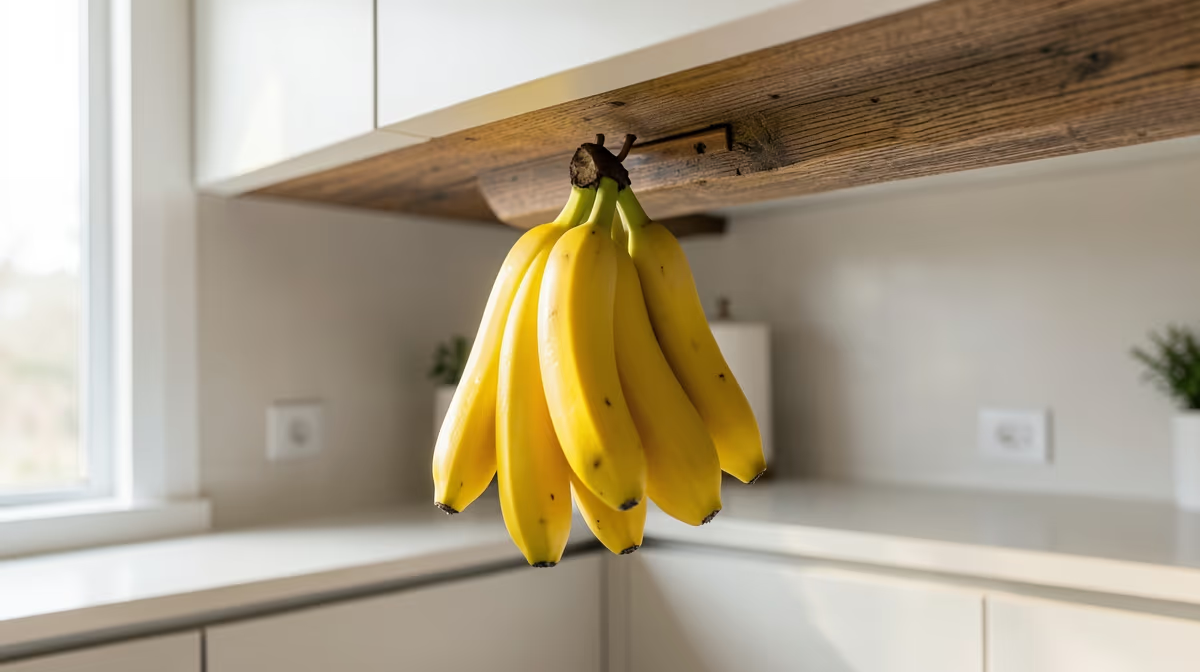
Where you place your bananas on the counter matters just as much as how you prepare them. Hanging bananas from a hook or stand allows air to circulate evenly around every piece of fruit, preventing flat spots from forming where they press against the counter surface. Keep your fruit bowl away from direct sunlight, heating vents, and other ethylene-producing fruits like apples, tomatoes, and avocados.
- Hang bananas on a dedicated fruit stand to improve air circulation.
- Separate the bunch into individual fruits to slow down gas diffusion.
- Keep the fruit away from appliances that generate heat.
- Avoid placing your banana bowl near a window with direct afternoon sun.
Using Plastic Wrap on Stems
Since the stem is the primary source of ethylene gas emission, sealing it off creates an effective physical barrier. Cut or tear off a small piece of plastic kitchen wrap and wind it snugly around the crown of the banana bunch. Make sure the wrap covers all exposed cut surfaces where the stems connect. For maximum effectiveness, remove the plastic wrap whenever you separate an individual banana, then re-wrap the remaining stem portion.
When and How to Refrigerate Bananas
You can successfully refrigerate bananas to halt the ripening process once they reach your preferred stage of ripeness. While cold temperatures will cause the banana skins to turn dark brown or black within a day, the fruit flesh inside remains firm and edible for up to a week longer. Never put green or underripe bananas in the refrigerator, as the cold halts the ripening process permanently, leaving you with hard, flavorless fruit.
| Ripeness Stage | Counter Storage | Refrigerator Storage | Freezer Storage |
|---|---|---|---|
| Green / Underripe | 4 to 7 days | Not recommended | Not recommended |
| Yellow / Ready to Eat | 2 to 3 days | 1 to 2 weeks (skins darken) | Peel first, up to 3 months |
| Overripe / Spotted | 1 day | 1 week (flesh softens) | Ideal for baking, up to 6 months |
Freezing Bananas for Long-Term Storage
When bananas become too ripe for fresh eating, freezing is the best way to preserve them for future use. Peel the overripe bananas completely before placing them in the freezer, as frozen peels become nearly impossible to remove later. You can slice them into rounds or mash them completely depending on what you plan to bake or blend. Store the prepared fruit in heavy-duty freezer bags with as much air pressed out as possible to prevent freezer burn.
Frequently Asked Questions
Why do bananas turn brown so quickly in the fruit bowl?
Bananas release ethylene gas naturally, which speeds up their own ripening process and causes the skin to darken and the flesh to soften.
Can I keep bananas fresh longer by washing them when I get home?
No, washing bananas adds excess moisture to the porous skins, which actually encourages mold growth and accelerates spoilage.
What should I do if my bananas are already turning spotty?
If the fruit is still firm, you can peel and freeze them for smoothies or baking, or store them in the refrigerator to slow down further softening.
Do banana keeper containers actually work?
Plastic banana pod containers can protect the fruit from bruising in lunches, but they do not significantly extend shelf life unless they allow proper ventilation.
Conclusion
Maximizing the shelf life of your produce requires simple management of ethylene gas and environmental temperature. By wrapping the stems, utilizing hanging storage, and timing refrigeration correctly, you can enjoy fresh fruit for days longer without waste.


