
Washing raw chicken myths debunked: how to safely prep poultry
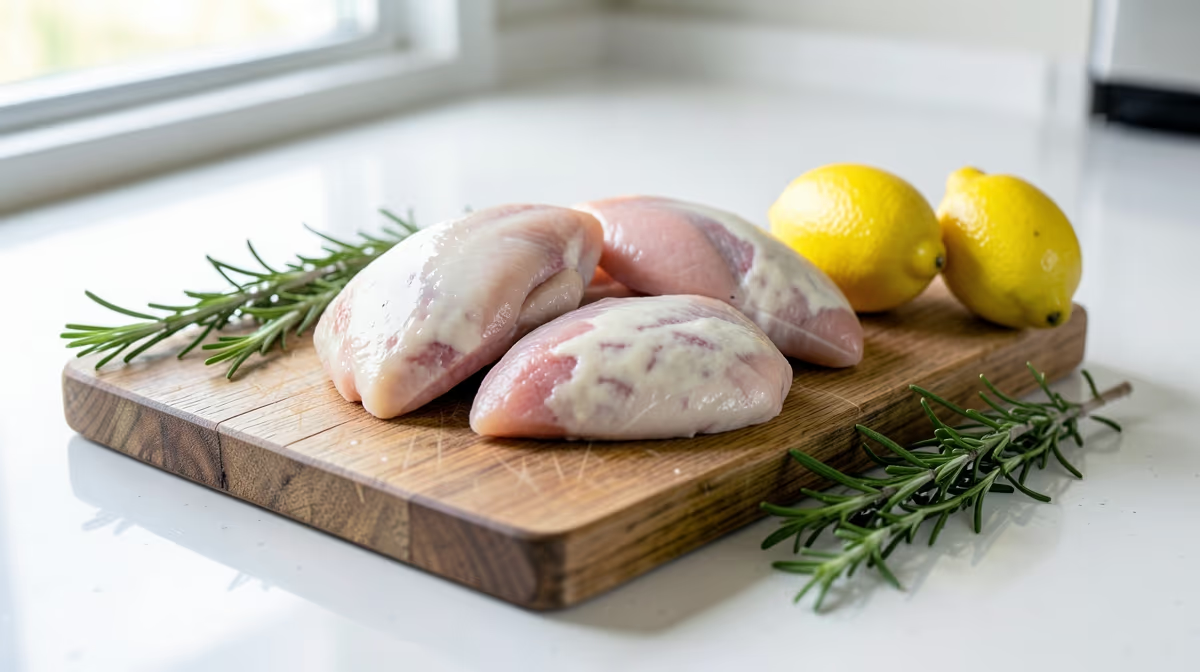
Many home cooks rinse poultry before cooking because they believe it removes dirt, slime, and bacteria. However, washing raw chicken is one of the most common kitchen habits that actually increases your risk of food poisoning. While it might feel like you are cleaning your food, the water from your tap does not sterilize the meat; instead, it creates a serious health hazard in your kitchen.
Washing raw chicken does not destroy pathogens; instead, it splashes bacteria-laden water droplets onto your countertops, utensils, and nearby ready-to-eat foods.
The Science of Aerosolization and Cross-Contamination
To understand why rinsing poultry is so risky, you have to look at the physics of splashing water. When a stream of water from your kitchen faucet hits the uneven, slippery surface of raw poultry, it does not just glide off smoothly. The water shears, creating a fine mist and microscopic droplets that bounce off the meat in every direction.
This process is known as aerosolization. These invisible water droplets carry active bacteria, such as Salmonella and Campylobacter, which naturally live on raw poultry. Researchers have found that these contaminated droplets can easily travel up to three feet away from your sink. They land silently on your clean dish towels, drying racks, sponge, freshly washed utensils, and even ready-to-eat foods like fruit or salad greens sitting on the counter. This invisible spread of bacteria is a primary driver of cross-contamination in home kitchens, turning a well-intentioned cleaning habit into a food safety hazard.
Myth 1: Water Rinses Away Dangerous Bacteria
The most persistent belief is that running water acts like a physical broom, sweeping away harmful microorganisms from the surface of the meat. It is easy to see why this seems logical, but bacteria do not behave like surface dirt or loose dust.
Microscopic pathogens cling tightly to the organic fibers, skin, and fat of the poultry. The surface tension of plain tap water is not strong enough to break the bond between the bacteria and the meat. Even if you blast the meat with high water pressure, you are not actually removing the pathogens; you are merely spreading them. The bacteria that remain on the chicken are still just as numerous and active as they were before you turned on the tap. The only force that can successfully destroy these stubborn microorganisms is heat.
Myth 2: Acidic Rinses Like Lemon or Vinegar Sterilize the Meat
In many culinary traditions, it is common practice to wash meat with an acidic mixture, such as lemon juice, lime juice, white vinegar, or salt water. Many cooks believe the high acidity of these ingredients acts as a natural disinfectant that kills off foodborne pathogens.
While acids are excellent for tenderizing meat and adding flavor to marinades, they do not sterilize poultry. The acid concentration in household vinegar or citrus juice is far too low to kill resilient bacteria like Salmonella. While an acidic soak might slightly reduce surface bacteria or slow down the growth of spoilage-causing microbes, it leaves dangerous pathogens fully intact. Furthermore, soaking poultry in acid can chemically alter the outer muscle fibers, giving the meat a dry, rubbery texture once it is cooked.
Myth 3: Cold Water is Safe but Hot Water is Dangerous
Some home cooks recognize that warm water encourages bacterial growth, so they assume that using ice-cold water makes the washing process safe. Others believe the opposite: that hot tap water acts as a quick sterilizing agent. Neither of these beliefs is true.
Cold water does absolutely nothing to kill or loosen bacteria; it only keeps the pathogens cold while helping them splash across your sink and countertops. On the other hand, hot tap water is also highly dangerous. Household tap water rarely reaches temperatures high enough to kill bacteria instantly. Instead, rinsing poultry with warm or hot tap water raises the surface temperature of the meat into the danger zone (between 40°F and 140°F). This warm environment actually encourages rapid bacterial multiplication, making the poultry less safe to handle.
Myth 4: Rinsing is Fine If You Disinfect the Sink Afterward
A common compromise among those who prefer to wash their meat is the belief that they can simply sanitize the sink area afterward. While cleaning your sink is always a good habit, this approach underestimates how far aerosolized water droplets can travel.
When you rinse poultry, you cannot see where the microscopic mist lands. Splatters regularly end up on items you might not think to sanitize, such as your soap dispenser, faucet handles, kitchen walls, the front of your clothes, or nearby spice jars. It is incredibly difficult to track down and disinfect every single surface that may have been touched by these invisible droplets. The most effective way to keep your kitchen clean is to prevent the spread of these droplets in the first place by keeping the meat away from the faucet.
How to Safely Prepare Chicken Without Washing It
Transitioning away from washing your poultry can feel strange at first, but adopting a dry prep method is the safest way to handle meat. By following a clean, dry workflow, you can prepare delicious meals while protecting your household from foodborne illness.
- Open the packaging carefully. Place the package directly on a dedicated plastic cutting board. Avoid squeezing the plastic wrapper, which can cause raw juices to spray onto your countertops.
- Pat the meat dry with paper towels. If you want to remove excess moisture to ensure the skin gets crispy during roasting or searing, use a clean, disposable paper towel to gently blot the surface of the poultry.
- Dispose of the paper towels immediately. Put the used paper towels directly into a trash can, preferably one with a lid or foot pedal, so you do not have to touch the can with contaminated hands.
- Clean your hands and tools. Immediately wash your hands with warm water and soap for at least 20 seconds. Clean the cutting board, knife, and any surfaces that came into contact with the raw poultry using hot, soapy water.
- Cook the poultry thoroughly. This is the single most important step in poultry safety.
The only reliable way to destroy foodborne bacteria on poultry is to cook the meat to a safe internal temperature of 165°F (74°C).
Simple Kitchen Hygiene Best Practices
Managing raw poultry safely requires a combination of good habits and the right tools. To help you transition to a safer kitchen routine, use this quick reference table to compare safe and unsafe poultry handling practices.
| Practice | Safe Method | Unsafe Method |
|---|---|---|
| Managing surface moisture | Pat dry with a disposable paper towel | Rinse under running tap water |
| Selecting cutting boards | Use a dedicated plastic board for raw meat | Use a wooden board shared with vegetables |
| Hand hygiene | Wash with soap for 20 seconds after touching meat | A quick water-only rinse without soap |
| Determining doneness | Measure with a calibrated meat thermometer | Cut open and check the color visually |
By adjusting your habits to rely on dry prep and precise temperature control, you can ensure that your meals are both delicious and safe. Using a digital thermometer to confirm the internal temperature of the thickest part of the meat is the best way to guarantee that all pathogens have been destroyed, giving you complete peace of mind at the dinner table.
Frequently Asked Questions
Why does raw chicken sometimes look slimy or have a white residue if I don't wash it?
This residue is a natural mixture of water and proteins released from the muscle tissue during packaging and storage. You can easily and safely remove this excess moisture by blotting the meat gently with a clean, disposable paper towel.
Can I wash chicken in a bowl of still water instead of under a running faucet?
Washing poultry in a bowl still carries a high risk of cross-contamination. Your hands, the bowl, and the surrounding countertop will still become contaminated with bacteria when you lift the wet meat out of the water.
What should I do if raw poultry juices accidentally spill on my kitchen counter?
Immediately wipe up the spill with a disposable paper towel and discard it in the trash. Then, clean the area thoroughly with hot, soapy water, apply a kitchen disinfectant spray, and let it air dry.
Does freezing raw chicken kill the bacteria living on it?
Freezing does not kill bacteria; it only puts them into a dormant state. Once the meat thaws, any bacteria present before freezing will become active again and must be destroyed through proper cooking.
Conclusion
Skipping the wash is the single simplest and most effective way to keep your kitchen safe from cross-contamination. Running water cannot remove or kill the bacteria naturally present on raw poultry, but it can easily spread those pathogens to your countertops, utensils, and hands. By patting the meat dry with paper towels, washing your hands thoroughly, and cooking your poultry to a safe internal temperature of 165°F, you can enjoy healthy, delicious meals without the risk of foodborne illness.

