
Cooked Rice Becomes Sticky: Science and Prevention Guide
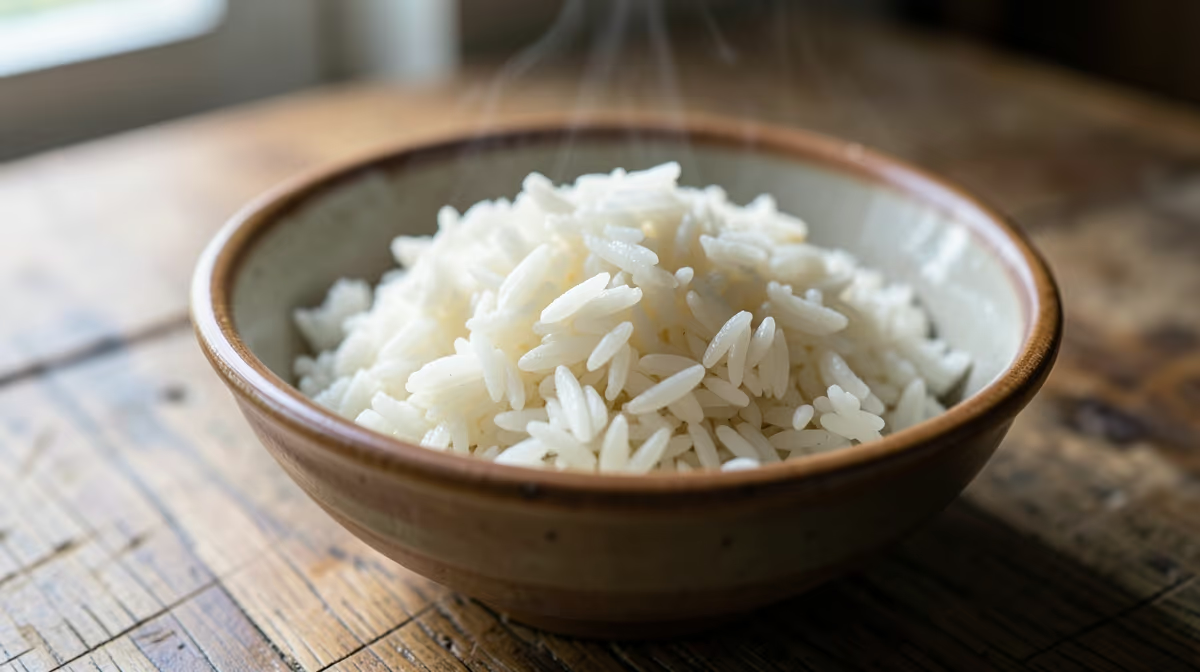
Achieving the perfect texture of rice can be frustrating when your fluffy grains turn into a clumped, gummy mass. If you are wondering why cooked rice becomes sticky, the answer lies primarily in the behavior of starch molecules during the cooking process. Controlling these starches through proper preparation is the key to mastering texture.
The secret to preventing gummy rice lies in washing away excess surface starch before cooking and using the exact water-to-rice ratio for your specific grain variety.
The Science of Starch in Rice Grains
At the microscopic level, every grain of rice is packed with starch. This starch is composed of two different molecules: amylose and amylopectin. The ratio of these two starches determines exactly how a specific type of rice reacts to hot water and heat.
Long-grain varieties, such as basmati, contain a high percentage of amylose. This molecule is a straight chain of starch that does not gelatinize easily. When heated, amylose remains relatively stable inside the grain, keeping each kernel firm, distinct, and separate after cooking.
Conversely, short-grain and medium-grain varieties contain very high amounts of amylopectin. This molecule has a highly branched structure that easily absorbs water and breaks down during cooking. When heated, amylopectin swells, bursts, and creates a sticky, gelatinous paste. This is why sushi rice and arborio rice naturally stick together, while long-grain white rice is expected to remain fluffy and separate.
Common Cooking Mistakes That Cause Sticky Rice
While the variety of rice sets the baseline for texture, several common cooking mistakes can turn even a high-amylose long-grain rice into a gummy mass.
- Skipping the rinse: During the milling process, rice grains rub against each other, creating a fine, powdery starch coating on their outer surfaces. If you do not rinse this powder off, it dissolves immediately into the cooking water, creating a thick starch gel that glues the grains together. Skipping this step is one of the fastest reasons why cooked rice becomes sticky.
- Excess cooking water: Rice absorbs water up to its saturation point. Any extra water left in the pot after the rice is cooked keeps the starch hydrated and gelatinized, turning the bottom of your pot into mush.
- Agitating the pot: Stirring the rice while it is simmering is a major error. Stirring creates friction, which physically scrapes the outer layer off the grains and releases internal starches into the liquid. Unless you are making risotto, you should never stir rice while it cooks.
- Violent boiling: Cooking rice on heat that is too high causes the water to boil violently. This physical turbulence knocks the delicate grains against each other, rupturing their cellular walls and spilling starch into the pot.
How Different Rice Varieties Behave
Because starch content varies significantly, you must treat each type of rice differently. Applying the same cooking method and water ratio to every grain guarantees inconsistent results.
| Rice Variety | Starch Profile | Ideal Water Ratio | Typical Texture |
|---|---|---|---|
| Basmati | High amylose | 1 : 1.5 | Dry, fluffy, completely separate |
| Jasmine | Moderate amylose | 1 : 1.25 | Soft, moist, slightly clingy |
| Arborio | High amylopectin | 1 : 3 (stirred) | Creamy, sticky, chewy core |
| Sushi (Short-grain) | High amylopectin | 1 : 1.1 | Sticky, cohesive, holds shape |
By understanding these profiles, you can adjust your cooking technique to match the natural chemistry of the grain you are using.
Simple Steps to Cook Fluffy Rice
To avoid sticky results, you can implement a reliable, step-by-step cooking process. This method focuses on managing starch and controlling steam.
- Wash the grains: Place your rice in a fine-mesh strainer or a deep bowl. Run cold water over it, swirling the grains gently with your fingers. Drain and repeat this process three to four times, or until the water runs completely clear. This action removes the loose surface starch.
- Use precise measurements: Do not guess the amount of water. Use a dry measuring cup for the rice and a wet measuring cup for the water. Even a quarter-cup of extra water can ruin the texture of two cups of rice.
- Bring to a boil, then immediately simmer: Put your rinsed rice and measured water in a saucepan over medium-high heat. As soon as the water reaches a boil, stir the grains exactly once to prevent sticking at the bottom, then cover the pot with a tight-fitting lid and reduce the heat to the lowest possible setting.
- Do not peek: Keep the lid on. Removing the lid lets valuable steam escape, which drops the internal temperature and alters the cooking time, leading to unevenly cooked, gummy rice.
- Let the rice rest: Once the cooking time is up, remove the pot from the heat source but leave the lid on for 10 to 15 minutes. This cooling period allows the steam to redistribute evenly, firming up the starches so they do not tear when you fluff the grains.
- Fluff with a fork: Never use a metal spoon to stir cooked rice. Instead, gently lift and separate the grains using a fork or a silicone rice paddle.
Clever Ways to Fix and Repurpose Sticky Rice
If you open your pot and find a sticky mass, there are still ways to rescue your meal. The approach depends on how overcooked the rice is.
Rinsing the rice under cold water can wash away the excess gummy starches, allowing you to dry the separate grains in a warm oven.
To execute this fix, dump the sticky rice into a colander and run cold water over it, gently separating the clumps with clean fingers. Once washed, spread the rice evenly on a baking sheet and place it in an oven set to 250 degrees Fahrenheit for 5 to 10 minutes. The dry heat will evaporate the excess surface moisture.
If the rice is too far gone and mushy, it is best to lean into the sticky texture and repurpose it rather than forcing it to be fluffy.
- Make fried rice: Spread the sticky rice on a tray and refrigerate it uncovered overnight. The cold air dries out the grains, and the starch undergoes a process called retrogradation, which firms up the texture. The next day, it will be perfect for stir-frying.
- Cook congee or rice porridge: Add extra vegetable or chicken broth to the pot and simmer the rice on low heat until the grains break down completely into a savory, warming porridge.
- Bake sweet rice pudding: Add milk, a splash of cream, sugar, and spices like cinnamon. Simmer slowly until the starch naturally thickens the liquid into a rich, comforting dessert.
Why Steam and Heat Management Matter
The environment inside your pot dictates how starch behaves. Steam is not just hot air; it is the primary medium that cooks the upper layers of rice when the water level drops below the grain line. If your heat is too high, the water evaporates before the rice can cook through, forcing you to add more water later, which introduces fresh starch breakdown and leads to uneven stickiness.
Furthermore, letting the rice rest after cooking is a critical biochemical step. When the heat is turned off, the temperature drops slightly, allowing the swollen starch molecules to cool and firm up. This cooling prevents the grains from sticking together when you finally serve them. Skipping this short resting phase is why many cooks find their rice sticky even when they used the correct amount of water. For the best results, you must always rinse the rice and allow it to rest.
Frequently Asked Questions
Why is my rice sticky even though I rinsed it?
Even if you rinse the rice, it can still become sticky if you use too much water or stir it during the cooking process. Excess water forces the grains to overcook and burst, releasing internal starches, while stirring physically damages the outer layer of the rice grains.
Does soaking rice before cooking prevent stickiness?
Yes, soaking rice can help prevent stickiness by allowing the starch granules to absorb water evenly before heat is applied. This results in more uniform cooking and prevents the outer layer of the grains from breaking down and releasing starches into the pot.
Which type of rice is the least sticky?
Long-grain rice varieties, such as basmati and jasmine, are the least sticky because they contain higher levels of amylose starch. This type of starch does not gelatinize as easily as amylopectin, helping the individual grains remain separate and fluffy after cooking.
Can you fix sticky rice after it is already cooked?
You can sometimes rescue mildly sticky rice by rinsing it under cold water to wash away the excess gelatinized starch and then drying it in a low oven. However, if the rice is completely mushy and overcooked, it is best repurposed into dishes like fried rice, congee, or rice pudding.
Why does stirring rice while cooking make it sticky?
Stirring rice while it cooks creates friction between the grains, rubbing off their outer layers and releasing starches into the hot water. This starch paste acts as a natural binder, turning the cooking water gummy and gluing the grains together.
Conclusion
Cooked rice becomes sticky due to the release of starch during prep and cooking. By selecting the right grain, rinsing away powdery surface starches, measuring water precisely, and letting the pot rest off the heat, you can easily prevent clumping. Treat your rice gently, avoid stirring, and enjoy fluffy, professional-quality grains every time.


