
Prevent Flour from Getting Insects with These 6 Easy Storage Tips
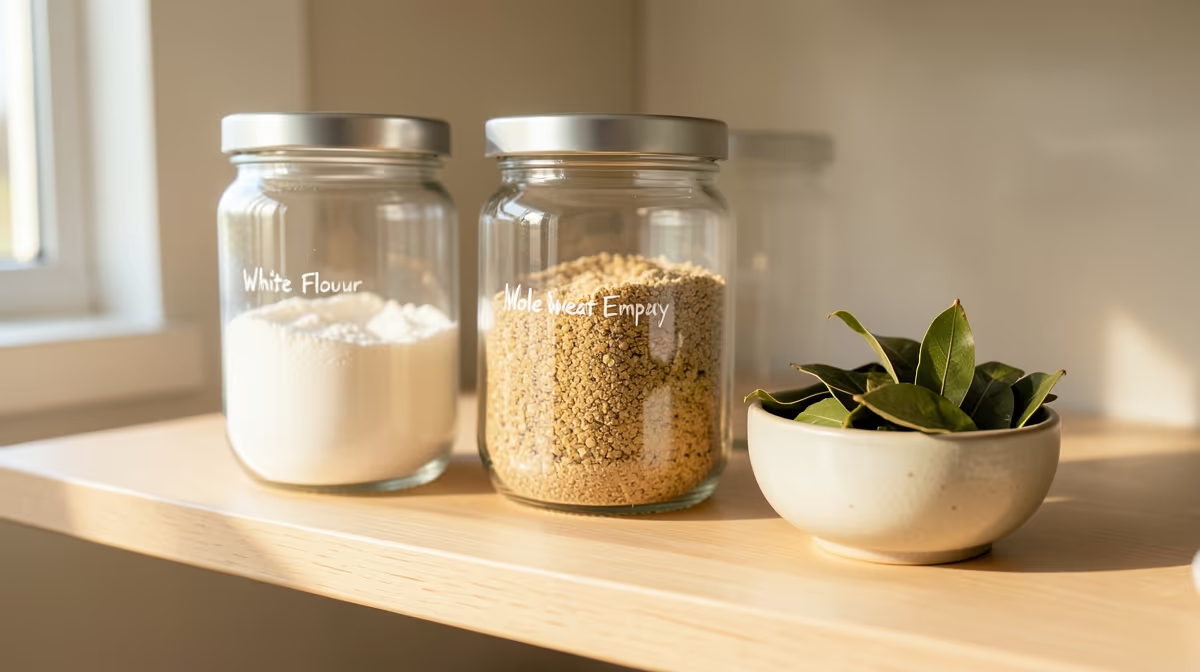
Finding tiny bugs in your baking ingredients can ruin your meal prep plans in an instant. Learning how to prevent flour from getting insects is the best way to protect your pantry and save money on wasted food. Most flour pests, like weevils or flour beetles, actually enter your home inside the packaging from the grocery store. By taking a few proactive steps immediately after bringing a new bag home, you can keep your ingredients fresh, clean, and completely pest-free.
The most effective defense against pantry pests is a combination of immediate temperature treatment and transferring your flour to truly airtight containers.
Why Insects Get Into Your Flour
Flour pests, primarily weevils, confused flour beetles, and Indianmeal moths, are incredibly common household nuisances. They do not magically appear because your kitchen is dirty. In most cases, microscopic insect eggs are already present in the grains or flour at the milling facility or grocery store.
When the flour sits in a warm, humid pantry, these eggs hatch into larvae, which eventually grow into the visible bugs you see crawling around. Because paper flour bags have tiny gaps and are easily chewed through, these pests can easily spread to other dry goods in your cupboards.
What You Will Need for Proper Storage
To successfully secure your pantry, you need the right tools. Standard paper bags from the store will not protect your ingredients from pests over the long term.
Gather these items to secure your baking supplies:
- Glass or heavy-duty plastic airtight containers with silicone seals
- A clean, dry measuring cup or funnel
- A marker or label maker to track expiration dates
- Fresh bay leaves (optional natural deterrent)
- Enough freezer space for temporary cold treatment
Step-by-Step Guide to Bug-Proofing Flour
- Freeze the flour immediately: When you bring a new bag of flour home from the store, place the entire unopened bag inside a sealed plastic zip-top bag. Put it in the freezer for at least 48 hours. This cold treatment kills any microscopic eggs or larvae that might be hiding in the flour before they have a chance to hatch.
- Transfer to airtight containers: After freezing, let the flour come to room temperature while still in the sealed bag to prevent condensation from forming. Once dry and warm, transfer the flour into clean glass or food-grade plastic containers with tight-sealing lids.
- Add a natural deterrent: Drop one or two dry bay leaves right on top of the flour before sealing the container. The strong scent of bay leaves naturally repels many common pantry pests without altering the taste or smell of your baked goods.
- Label and date: Write the type of flour and the original expiration date on a label and stick it to your container. Always use the oldest flour first to keep your stock rotating.
Always let frozen flour reach room temperature inside its sealed bag before transferring it, as cold flour exposed to warm air will create moisture, leading to mold.
Comparing Flour Storage Containers
Not all storage options are created equal when it comes to keeping bugs out. Refer to this quick comparison to choose the best vessel for your kitchen.
| Container Type | Pest Protection Level | Best For |
|---|---|---|
| Glass Jars with Gaskets | Excellent | Long-term storage of all flour types |
| Food-Grade Rigid Plastic | High | Everyday baking flour and bulk quantities |
| Original Paper Bags | Poor | Short-term use only, highly vulnerable to pests |
| Metal Canisters | Moderate | Dry pantries, but seals can degrade over time |
Pantry Maintenance and Natural Deterrents
Keeping your flour safe also requires maintaining the space where you store it. Clean your pantry shelves regularly to remove spilled flour, grains, or sugar, which act as a magnet for insects. Wipe down the shelves with a mixture of equal parts white vinegar and water. This simple solution cleans the surface and removes any lingering food odors that might attract pests.
Additionally, avoid overcrowding your pantry shelves. Good airflow keeps temperatures lower and prevents heat buildup, creating a less hospitable environment for bugs. If you have stored other grains like rice, oats, or cornmeal nearby, inspect them with the same frequency, as pests can easily migrate from one open package to another.
How to Tell If Your Flour Is Contaminated
Sometimes, despite your best efforts, pests find a way in. You should inspect your flour before every use to ensure it is completely safe. Look closely for these warning signs:
- Tiny brown or black beetles crawling on the surface of the flour or along the inner rim of the storage lid
- Webbing or fine silk-like threads, which are left behind by moth larvae as they spin cocoons
- Small, clumpy balls of flour that do not break apart easily when sifted, which often indicates larval activity
- A disagreeable, musty, or sour odor when you open the container instead of the neutral, slightly sweet smell of fresh wheat
If you spot any of these signs, do not attempt to sift the bugs out or use the flour for baking. Discard the entire container immediately in an outdoor trash bin to prevent the infestation from spreading to other food items in your kitchen. After throwing it away, wash the container thoroughly with hot, soapy water before using it again.
When to Use Freezer Storage for the Long Term
If you do not bake frequently, keeping your flour in the pantry might not be the best option. For specialty flours like whole wheat, rye, almond, or coconut flour, freezer storage is highly recommended.
Whole-grain flours contain natural oils that can go rancid quickly when exposed to heat and oxygen. By keeping these flours in airtight containers inside your freezer, you not only prevent bugs from ever reaching them, but you also double their shelf life. Just remember to measure out what you need and let it come to room temperature before mixing it into your baking batters.
Frequently Asked Questions
Can you still use flour if it has weevils?
It is highly recommended to discard flour that contains weevils. While they are not poisonous, their presence indicates contamination, and they can quickly spread to other dry goods in your kitchen.
Does putting bay leaves in flour really work to keep bugs away?
Yes, bay leaves act as a highly effective, natural repellent due to their strong herbal scent, which insects dislike. They will not affect the taste or baking performance of your flour.
How long does flour need to be frozen to kill insect eggs?
You should freeze fresh flour for at least 48 hours to reliably destroy any microscopic eggs or larvae. For best results, keep the flour in its original packaging wrapped in a plastic bag during this process.
Can flour bugs bite humans or pets?
No, common flour pests like weevils and flour beetles do not bite, sting, or carry diseases that harm humans or pets. They are simply nuisance pests that spoil dry kitchen ingredients.
Conclusion
Preventing flour insects requires a proactive approach to food storage. By freezing your fresh flour to destroy hidden eggs and moving it into airtight glass or heavy-duty plastic containers, you can safeguard your baking ingredients from pests. Regular pantry cleaning and the use of simple deterrents like bay leaves will ensure your kitchen remains clean, organized, and ready for your next recipe.


