
Keep Lemons Fresh in the Refrigerator for Up to a Month
Whole lemons left on the kitchen counter quickly turn into dry, hard spheres or, worse, develop patches of blue-green mold within a week. If you want to keep lemons fresh in the refrigerator for up to a month, the secret lies in controlling moisture loss. While room-temperature lemons are great for immediate juicing, cold storage is essential for longevity. By adjusting how you store them, you can extend their shelf life from days to weeks, ensuring you always have juicy, vibrant citrus on hand for cooking and baking.
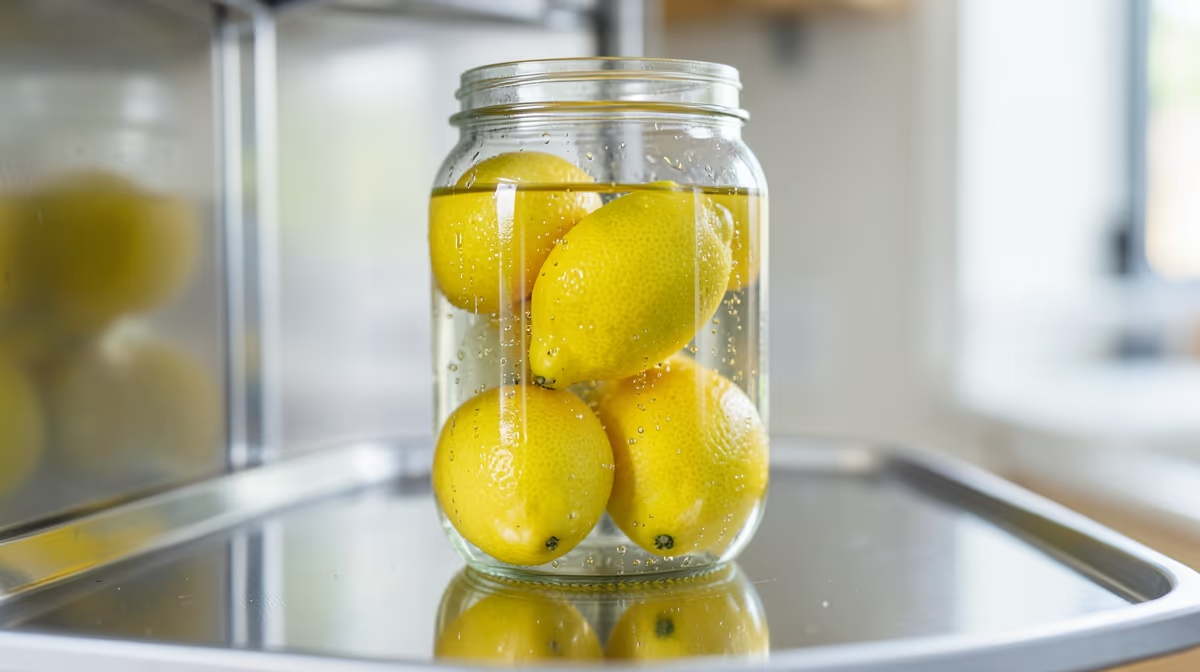
Storing whole lemons in a sealed glass jar filled with water inside the fridge keeps them juicy and plump for up to four weeks.
Why Refrigeration is Essential for Lemons
Lemons are high-moisture fruits protected by a thick, oil-rich rind. However, this rind has porous skins that allow moisture to escape into the surrounding air over time. When left at room temperature on a kitchen counter or in a fruit bowl, lemons lose their moisture rapidly. Within a week, the skin begins to shrivel, the pulp dries out, and the yield of juice drops significantly.
The cold, humid environment of a refrigerator slows down this evaporation process and retards the growth of mold and bacteria. However, simply tossing lemons loose into the fridge is not enough. The low-humidity airflow of standard refrigerator shelves can dry them out almost as quickly as the countertop. To truly maximize their lifespan, you must shield the fruit from direct air circulation while maintaining a cool, consistent temperature.
The Best Methods to Keep Lemons Fresh
Different storage techniques yield different results. Depending on how quickly you plan to use your lemons and how much refrigerator space you have, you can choose from a few highly effective methods. If your goal is to keep lemons fresh in the refrigerator for as long as possible, selecting the right method is key.
| Storage Method | Expected Shelf Life | Best For | Prep Effort |
|---|---|---|---|
| Loose in Crisper | 1 to 2 weeks | Immediate use | None |
| Sealed Zip-Top Bag | 3 to 4 weeks | Bulk storage | Very Low |
| Water Submersion | 4 to 5 weeks | Maximum juice retention | Low |
| Plastic Wrap (Cut halves) | 3 to 5 days | Leftover pieces | Very Low |
While loose storage is the most common approach, it is the least effective for long-term freshness. The sealed zip-top bag and water submersion methods are the true champions of citrus preservation. Both methods work by preventing the dry air of the refrigerator from pulling water out of the lemons, though water submersion offers the absolute best results for juice retention.
Step-by-Step Water Submersion Method
Storing lemons submerged in water inside a sealed container is the ultimate kitchen hack for keeping them plump and juicy. Water blocks all exposure to circulating air, preventing evaporation entirely.
- Choose a clean glass jar or a food-safe plastic container that is large enough to hold your lemons with a few inches of headspace.
- Wash the lemons thoroughly under cool running water to remove any surface dirt, wax, or wild yeast spores.
- Place the lemons inside the container. Do not pack them too tightly, as this can bruise the skin.
- Fill the container with cold tap water until the lemons are completely submerged.
- Seal the container with an airtight lid and place it on a shelf in your refrigerator.
If you use the water submersion method, remember to change the water every five to seven days to keep it clean and prevent any potential mold development.
Using this water submersion technique ensures your lemons remain as fresh as the day you bought them, preserving both their juice volume and their bright, tart flavor profile.
How to Store Cut Lemons
Once you cut a lemon open, its protective barrier is compromised, and the flesh becomes highly vulnerable to drying out and absorbing refrigerator odors. Leftovers require a different approach to stay usable.
Storing Half Lemons
When you only need half a lemon, protect the exposed flesh of the remaining half immediately. Place the cut side down on a small plate or saucer, wrap it tightly in plastic wrap, or place it inside a small airtight container. This minimizes air contact and keeps the cut face from drying out. Use cut halves within three to five days for the best quality.
Storing Lemons Wedges and Slices
If you have prepped wedges or slices for drinks or garnishes, transfer them to a sealed container lined with a damp paper towel. The damp towel maintains the necessary humidity to keep the exposed pulp from shriveling, while the sealed lid keeps odors from garlic, onions, or leftovers from penetrating the fruit. Keep these pieces in the crisper drawer and use them within two days.
Common Mistakes to Avoid
Even with the best intentions, simple storage errors can cause your lemons to spoil prematurely. Avoiding these pitfalls will save you money and reduce food waste.
- Storing bruised or soft fruit: A single damaged lemon can release ethylene gas or harbor mold spores that quickly spread to the healthy lemons in the container. Always inspect your fruit and use bruised ones first.
- Putting wet lemons in plastic bags: While moisture is good, free-standing water trapped inside a sealed plastic bag creates a breeding ground for mold. If you use the zip-top bag method, make sure the lemons are completely dry before sealing them inside.
- Placing lemons near ethylene-producing produce: Apples, bananas, and tomatoes release high levels of ethylene gas as they ripen. Keep your lemons away from these items in the fridge, as ethylene accelerates decay in citrus fruits.
- Forgetting about the lemons: No storage method lasts forever. Regularly check on your stored lemons, especially if you are using the water jar method, to ensure no soft spots or discoloration have developed.
How to Choose Lemons for Long-Term Storage
The success of any preservation method begins at the grocery store or market. If you start with lemons that are already past their prime, no amount of careful storage will keep them fresh for a month.
When selecting lemons, pick them up and feel their weight. A high-quality lemon should feel heavy for its size, which indicates a high juice content. The skin should have a bright, uniform yellow color and a fine texture. Avoid lemons with thick, deeply wrinkled skins, as they tend to have less juice and more bitter white pith. Gently squeeze each fruit; it should be firm but have a slight, springy give. Avoid any lemons with soft spots, dark blemishes, or dull, faded skin, as these are signs of age and internal breakdown.
Frequently Asked Questions
Can you freeze whole lemons to keep them fresh?
Yes, you can freeze whole lemons by placing them in a sealed freezer bag. While the texture of the pulp will soften upon thawing, making them difficult to slice, they will still yield plenty of juice and zest for cooking.
Why do lemons turn green or white in the fridge?
Green or white powdery spots on lemons indicate mold growth, which thrives in damp, unventilated environments. This usually happens if the lemons were stored wet in a closed plastic bag or if they were touching other spoiling fruit.
How long do lemons last at room temperature?
At room temperature, whole lemons typically remain fresh and juicy for about one week. After this period, they will start to lose moisture, shrivel, and harden as their juices evaporate.
Is it safe to eat lemons that have soft spots?
Soft spots are a sign of internal decay and aging. If the spot is small and there is no visible mold or off-odor, you can cut around it, but it is best to use the lemon immediately before it spoils completely.
Do you need to wash lemons before refrigerating them?
Yes, washing lemons under cool water before storing them removes wild mold spores and surface dirt that accelerate decay. Be sure to dry them completely unless you are using the water submersion method.
Conclusion
Keeping lemons fresh in your refrigerator does not require complex equipment, just a basic understanding of moisture control. By transitioning from open-air countertop storage to sealed plastic bags or water-filled jars, you can significantly extend the lifespan of your citrus. These simple adjustments ensure that you always have juicy, flavorful lemons ready to brighten your meals, reduce unnecessary food waste, and save money on your grocery bills.


