
Vegetables spoil quickly in the refrigerator: how to stop early rot
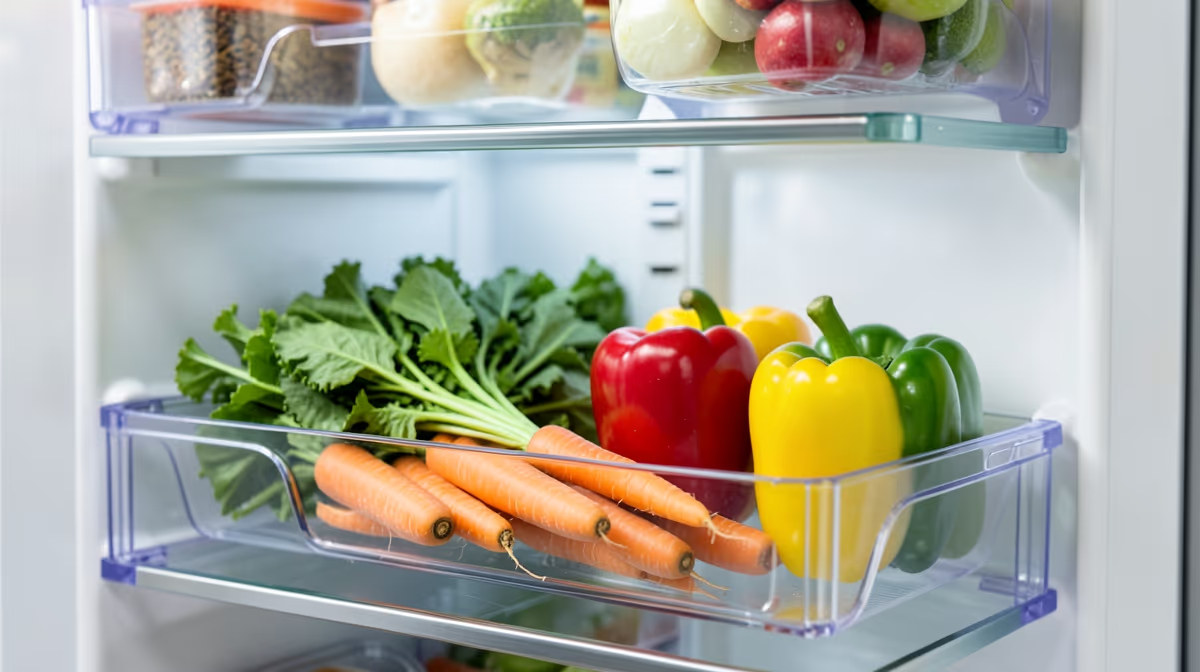
Opening your crisper drawer only to find slimy lettuce or moldy cucumbers is incredibly frustrating. If your vegetables spoil quickly in the refrigerator, you are likely battling invisible factors like excess moisture, improper temperatures, and natural ripening gases.
Controlling moisture levels and separating gas-producing fruits from sensitive vegetables are the two most effective ways to double the shelf life of your fresh produce.
The Role of Excess Moisture in Produce Rot
Water is the ultimate enemy of preserved fresh vegetables. While plants need moisture to grow, harvest-ready produce starts to decay rapidly when left in damp conditions.
When you store wet vegetables, or when temperature shifts inside your fridge cause condensation to form inside plastic storage bags, you create the perfect breeding ground for bacteria and mold. Leafy greens like spinach, kale, and lettuce are especially vulnerable to this damp environment because of their high surface area.
To prevent this, never wash your vegetables before putting them away unless you plan to dry them completely with a salad spinner or clean towels. If you buy pre-washed greens in plastic tubs, placing a clean paper towel inside the container will help absorb the natural moisture the plants release as they respire.
Gas-Producing Fruits vs. Gas-Sensitive Vegetables
Many fruits release a natural, invisible aging hormone called ethylene gas as they ripen. When you store these gas-producing items right next to gas-sensitive vegetables, the vegetables age, turn yellow, and decay at an accelerated rate.
Understanding which items to separate is crucial for extending the life of your fresh groceries.
| Gas Producers (Keep Away) | Gas Sensitive (Store Separately) |
|---|---|
| Apples | Broccoli |
| Bananas | Carrots |
| Avocados | Leafy Greens |
| Tomatoes | Cucumbers |
| Peaches | Cauliflower |
Keep these two categories in completely separate areas of your kitchen. If your refrigerator has two separate crisper drawers, dedicate one entirely to leafy greens and vegetables, and use the other for fruits.
Incorrect Crisper Drawer Settings
Most modern refrigerators feature crisper drawers with adjustable humidity sliders, yet many households leave them on default settings. These sliders control how much air and moisture can escape from the compartment.
The high-humidity setting completely closes the drawer's vents. This traps moisture and air inside, creating an environment that is ideal for leafy greens, herbs, carrots, and thin-skinned vegetables that wilt easily when exposed to dry air.
The low-humidity setting opens the vents fully, allowing gases and moisture to escape. This setting is designed for ethylene-producing fruits and thick-skinned vegetables that are prone to rotting if moisture builds up around them. Adjusting these sliders based on what you store inside will instantly decrease your rate of food waste.
Temperature Fluctuations and Cold Damage
Refrigerators do not maintain an identical temperature on every shelf. The area nearest the cooling element, which is usually at the very back of the top or bottom shelf, can drop below freezing.
Delicate vegetables like celery, cucumbers, and leafy greens are highly susceptible to cold damage. When these vegetables freeze, the water inside their cell walls expands and breaks the cell structure. Once the temperature fluctuates slightly and the vegetable thaws, it collapses into a mushy, watery mess.
To avoid this, keep your delicate produce toward the front of the middle shelves or safely inside the designated crisper drawers. Save the coldest spots at the back of the fridge for dairy, meats, and beverages that can tolerate lower temperatures without ruining their texture.
Never store whole tomatoes, potatoes, onions, or garlic in the refrigerator; the cold temperature destroys their flavor, alters their texture, and actually causes them to spoil faster than they would on a cool pantry shelf.
Air Circulation Obstructions
Overpacking your refrigerator is another common reason why food spoils prematurely. For a refrigerator to cool efficiently, chilled air must be able to circulate freely around every container and food item.
When shelves are crammed wall-to-wall with leftovers, condiments, and grocery bags, the air blocks blockages. This creates warm pockets in the fridge where bacteria can multiply rapidly, as well as freezing cold zones that damage delicate greens.
Keep your refrigerator filled to about seventy percent capacity. This allows enough space for consistent airflow, maintaining a stable temperature throughout the entire appliance.
Simple Habits to Keep Vegetables Fresh Longer
Now that you know why vegetables spoil quickly in the refrigerator, understanding how to adjust your daily storage habits will save you time and money.
- Skip the plastic grocery bags: Avoid leaving your produce in the thin, tightly knotted plastic bags from the grocery store, as they trap rot-inducing moisture.
- Use breathable containers: Opt for perforated plastic bags or containers with built-in vents that allow proper airflow.
- Keep produce whole: Do not slice or chop your vegetables until you are ready to cook them, as exposed surfaces dry out and oxidize rapidly.
- Keep a clean fridge: Regularly wipe down your crisper drawers with warm soapy water to eliminate mold spores that transfer to new groceries.
Frequently Asked Questions
Should you wash vegetables before putting them in the fridge?
No, it is best to avoid washing vegetables before storing them because the residual moisture accelerates rot and mold growth. If you must wash them beforehand, ensure they are completely dry before putting them away.
Why do cucumbers get slimy so fast in the refrigerator?
Cucumbers are highly sensitive to cold temperatures and excess moisture. When stored in the coldest part of the fridge or wrapped in wet plastic bags, their cell walls break down quickly, resulting in a slimy texture.
Is it better to store vegetables in plastic bags or glass containers?
Glass containers lined with a dry paper towel are excellent for leafy greens because they protect them from being crushed and maintain stable humidity. If using plastic bags, ensure they have small ventilation holes so moisture can escape.
What is the best temperature to keep vegetables fresh?
The ideal refrigerator temperature to keep vegetables fresh and safe from bacterial growth is between 35 degrees Fahrenheit and 38 degrees Fahrenheit. Temperatures below this range can cause cold damage, while higher temperatures invite rot.
Conclusion
Keeping your vegetables fresh requires managing moisture, air circulation, and temperature inside your refrigerator. By separating gas-producing fruits from sensitive greens, adjusting your crisper drawer sliders, and avoiding the temptation to wash produce before storing it, you can easily prevent early spoilage. Implementing these small adjustments to your kitchen routine will keep your ingredients crisp, flavorful, and ready to use.


