
How to Store Potatoes for Longer to Prevent Sprouting
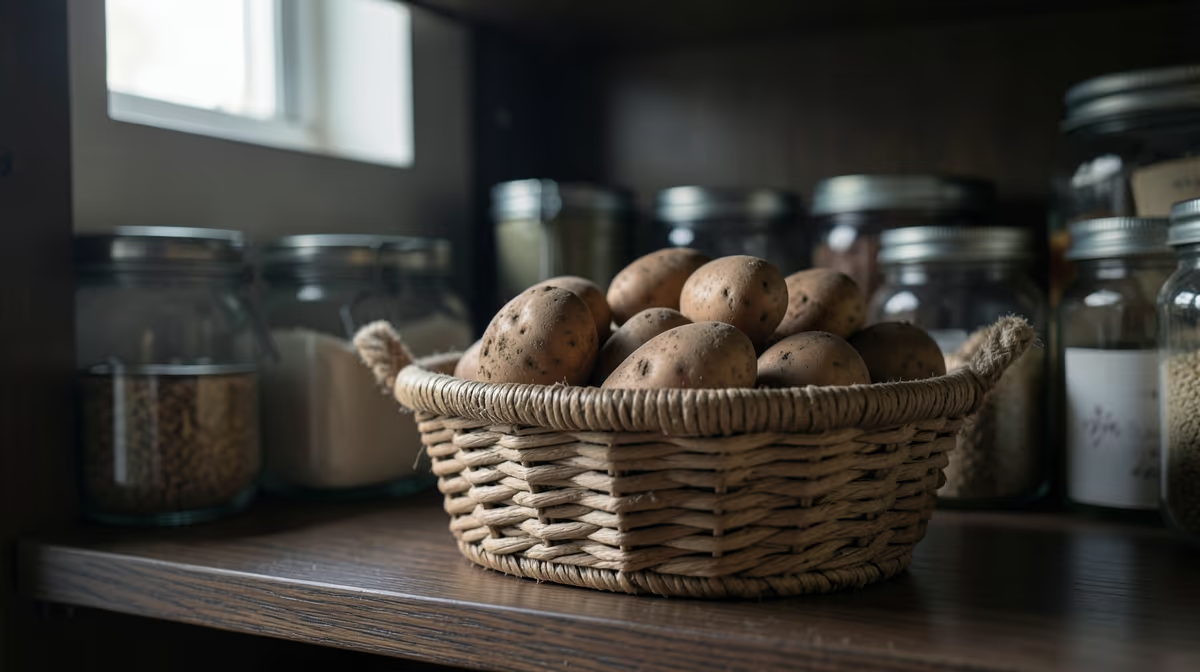
If you want to know how to store potatoes for longer, the secret lies in keeping them away from light, moisture, and extreme temperatures. Without the right environment, potatoes quickly sprout, turn green, or soften, ruining their texture and flavor before you get a chance to cook them.
Storing potatoes in a cool, dark, and well-ventilated space is the single most effective way to prevent premature sprouting and extend their shelf life for weeks or even months.
Ideal Environment for Potato Storage
Creating the right climate is essential for maximizing the shelf life of your potatoes. Temperature is the most critical factor, with the ideal range sitting between 45 degrees Fahrenheit and 55 degrees Fahrenheit.
- Cool, dark pantries or unheated basements provide the best conditions
- Garages work well during cooler months as long as freezing temperatures are avoided
- Avoid storing them in direct sunlight or near heat-generating kitchen appliances like ovens and dishwashers
Proper Air Circulation and Containers
Potatoes are living tubers that need to breathe. Trapping them in airtight spaces causes moisture buildup, which accelerates rotting and mold growth.
- Discard any plastic bags your potatoes came in immediately upon bringing them home.
- Transfer the potatoes into breathable containers such as wire baskets, mesh bags, or perforated paper bags.
- Ensure the containers are placed on open shelving or counters with good airflow around them.
- Keep batches in a single layer or a shallow pile to prevent pressure bruising on the lower layers.
Why Refrigeration Ruins Potatoes
Storing raw potatoes in the refrigerator is a common mistake that actually ruins their quality. The cold temperature converts the starches inside the potato into sugars at a much faster rate.
| Storage Location | Temperature | Effect on Potatoes |
|---|---|---|
| Refrigerator | Below 40F | Sweetens flesh and turns them dark when cooked |
| Warm Kitchen Counter | Above 60F | Triggers rapid sprouting and shriveling |
| Cool Pantry | 45F to 55F | Maintains ideal texture and delays sprouting |
Separating Potatoes from Other Produce
Where you place your potatoes in relation to other kitchen items matters just as much as the container you use. Certain fruits emit ethylene gas, a natural plant hormone that speeds up the ripening and sprouting process in root vegetables.
- Keep potatoes physically separated from onions, as both items release gases that cause the other to spoil much faster.
- Store apples, bananas, and tomatoes on a completely different shelf or counter away from your potato stash.
Sorting and Inspecting Regularly
Even with the best storage methods, a single bad potato can compromise the entire batch. Check your stored potatoes every week to catch spoilage early.
- Remove any potatoes that have become soft, mushy, or show signs of black spots immediately.
- Discard potatoes that have turned completely green, as green skin indicates the presence of solanine, which tastes bitter and can cause illness if consumed in large quantities.
- Small sprouts can simply be cut off before cooking, provided the potato underneath is still firm.
Frequently Asked Questions
Can you wash potatoes before storing them?
No, you should never wash potatoes before storing them. The added moisture introduces humidity that encourages mold growth and rotting, so brush off loose dirt only when you are ready to cook them.
How long do potatoes last in a pantry?
When stored correctly in a cool, dark, and well-ventilated space, standard potatoes typically last anywhere from two to four months depending on the variety and freshness at purchase.
Can you freeze raw potatoes?
Raw potatoes do not freeze well because their high water content turns them mushy and grainy once thawed. If you want to freeze them, you must blanch or partially cook them first.
What should you do with potatoes that have sprouted?
If the potato is still firm and the sprouts are small, you can snap off the sprouts and cut away the eyes before cooking normally. Throw away any potatoes that have shriveled or turned completely soft.
Conclusion
Extending the life of your potatoes simply comes down to mimicking their natural underground environment. By keeping them in a cool, dark, and breathable space away from onions and moisture, you can minimize waste and keep your produce fresh for months.


