
Storing Onions Without Rotting: The Complete Guide
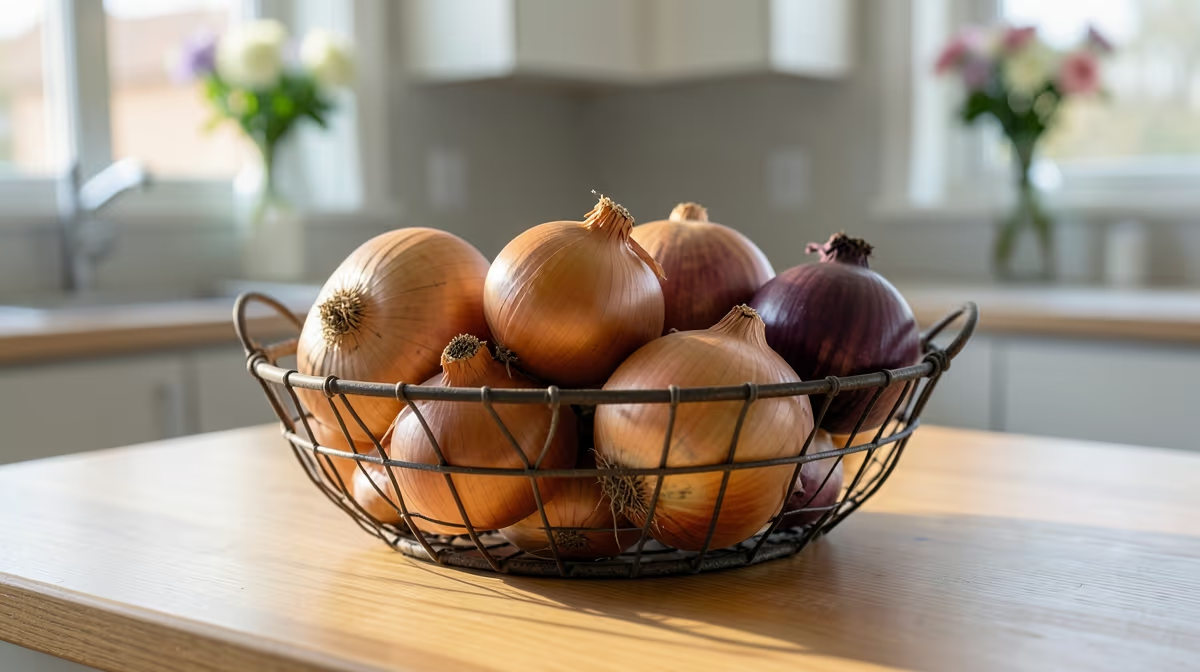
If you are tired of reaching into your pantry only to find a mushy, sprouting mess, you need a better strategy for how to store onions without rotting. Onions require specific environmental conditions—specifically low moisture, steady cool temperatures, and constant airflow—to stay fresh for weeks or even months. Without proper storage, trapped humidity and light exposure quickly trigger decay.
Understanding Onion Storage Requirements
To prevent onions from rotting prematurely, you need to mimic the conditions used by commercial growers. Onions hate moisture and lack of ventilation above all else. When stored in environments that trap air and hold humidity, the papery outer skin breaks down, inviting mold and bacterial soft rot.
- Keep whole, unpeeled onions in a cool, dry, dark, and well-ventilated area.
- Maintain a storage temperature between 45 degrees Fahrenheit and 55 degrees Fahrenheit if possible.
- Avoid placing onions directly on the floor where dampness can accumulate.
Choosing the Right Containers
The container you choose plays a massive role in whether your produce survives or spoils. Plastic bags and airtight containers are the primary enemies of longevity because they trap moisture released by the vegetable, accelerating decay.
- Use mesh bags, wire baskets, or perforated paper bags that allow air to circulate freely around every side.
- Never store large quantities of onions in deep, stacked piles, as the pressure bruises the bottom layers and starts the rotting process.
- Avoid storing whole onions inside the refrigerator, as the cold and humid environment converts their starches to sugar too quickly and makes them mushy.
Managing Proximity to Other Produce
Where you place your onions matters just as much as the container you use. Certain fruits and vegetables emit high levels of ethylene gas, a natural plant hormone that speeds up ripening and decay in nearby produce.
- Keep onions away from potatoes, as both emit gases and moisture that cause each other to spoil much faster when stored together.
- Store garlic in a similar environment to onions, but keep them in separate bins to maintain optimal airflow.
- Keep your onion stash away from apples, bananas, and tomatoes, which are heavy ethylene producers.
How to Handle Cut Onions
Once an onion is peeled or sliced, all the rules for whole onions change completely. Cut onions have exposed moisture and flesh that attract bacteria and dry out rapidly in open air.
- Wrap leftover cut onions tightly in plastic wrap or place them inside a sealed airtight glass container.
- Store the wrapped cut onion immediately in the refrigerator on a shelf rather than the high-humidity crisper drawer.
- Use refrigerated cut onions within seven to ten days for the best texture and flavor.
Always discard onions that show signs of black mold, a foul sour odor, or widespread mushiness, as these indicate advanced bacterial rot that cannot be trimmed away.
Freezing for Long-Term Preservation
If you have a massive surplus of onions that you cannot possibly use before they spoil, freezing is a reliable preservation method. While frozen onions lose their crisp texture, they retain their savory flavor and work wonderfully in cooked dishes like soups, stews, and curries.
- Peel and chop the raw onions to your preferred size.
- Spread the chopped pieces in a single layer on a baking sheet and freeze them solid for two hours to prevent clumping.
- Transfer the frozen onion pieces into heavy-duty freezer bags, press out all the air, and store them for up to eight months.
Frequently Asked Questions
Can I store whole onions in the refrigerator?
No, whole onions should not be stored in the refrigerator because the cold, humid environment makes them soft and encourages mold growth. They belong in a cool, dark, and dry pantry.
Why do onions and potatoes spoil faster together?
Onions and potatoes both release moisture and gases that accelerate each other's sprouting and rotting when they are kept in the same bin or bag.
How long do whole onions last in proper storage?
Whole yellow, white, and red onions can last anywhere from one to three months when kept in a cool, dark, and well-ventilated location.
Can I salvage an onion that has started to sprout?
Yes, if the onion is still firm and has no foul odor or soft spots, you can simply slice it open, cut away the green sprout from the center, and use the rest.
Conclusion
Keeping your onions fresh and preventing premature rot comes down to managing moisture, light, and airflow. By keeping whole onions in a cool, dark, well-ventilated spot away from potatoes and refrigerating only your cut pieces, you will drastically reduce food waste and always have fresh produce ready for cooking.


