
Store fresh herbs so they last longer using simple kitchen techniques
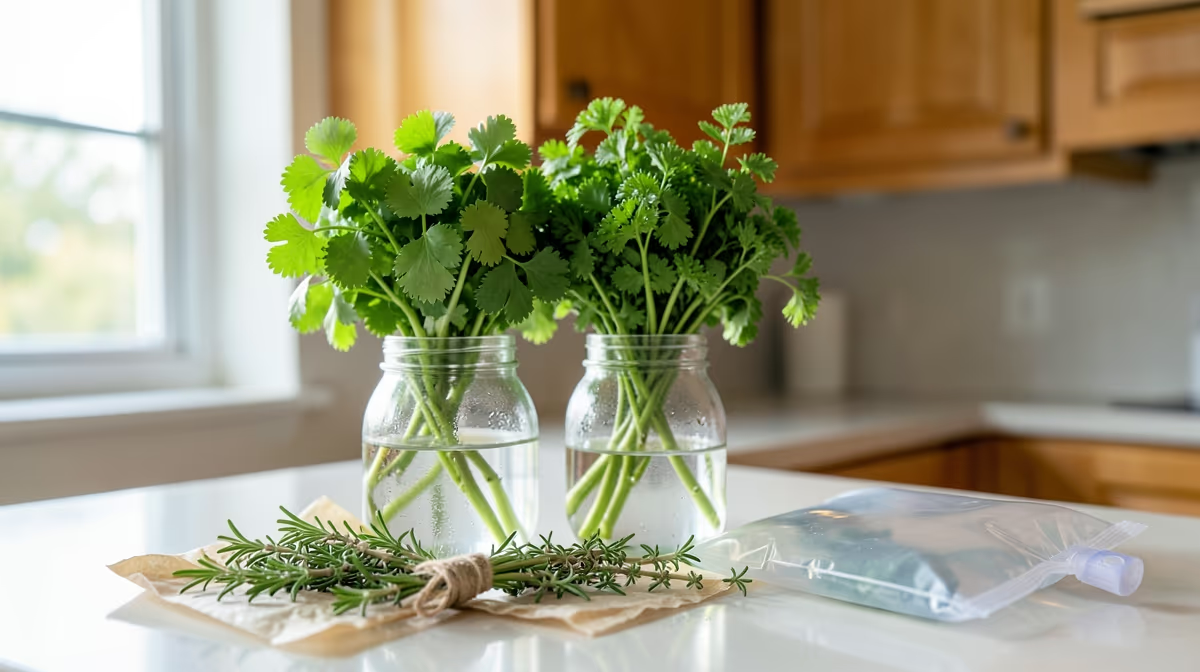
Keeping your herbs vibrant and flavorful does not have to be a race against time. Learning how to store fresh herbs so they last longer prevents unnecessary kitchen waste and keeps your meals tasting bright and delicious. Instead of watching your expensive fresh cilantro turn to slime or your rosemary dry out within days, you can use simple food science to extend their lifespan. The secret lies in balancing moisture and temperature based on the specific structure of each plant.
Separate your herbs into soft and hard categories, as soft herbs thrive in water-filled jars like flowers while hard herbs prefer being wrapped in damp paper towels inside a sealed container.
Understanding Your Herbs: Soft vs. Hard
To successfully preserve your fresh produce, you first need to identify the physical characteristics of the plants you are working with. Not all greens are created equal, and treating them all the exact same way is the most common reason they spoil prematurely. Culinary herbs fall into two distinct groups: soft herbs and hard herbs.
Soft herbs have tender, green, and fleshy stems. They are delicate and highly sensitive to moisture loss and temperature extremes. Hard herbs, on the other hand, feature woody stems and tougher leaves. These plants are typically native to dry, Mediterranean climates, meaning they are more resilient but still require specific humidity levels to prevent them from drying out completely.
| Herb Type | Common Examples | Best Storage Location | Expected Shelf Life |
|---|---|---|---|
| Soft Herbs | Cilantro, Parsley, Dill, Mint, Tarragon | Refrigerator (in water jar) | 2 to 3 weeks |
| Hard Herbs | Rosemary, Thyme, Oregano, Sage, Marjoram | Refrigerator (wrapped in damp paper) | 2 to 4 weeks |
| Basil (Special Soft) | Basil | Countertop (in water jar) | 1 to 2 weeks |
Essential Prep Steps Before Storage
Before you put your fresh ingredients away, a little bit of preparation goes a long way. Proper handling as soon as you bring them home from the store or harvest them from your garden sets the foundation for a much longer shelf life.
- Inspect the bunch thoroughly: Remove any yellowed, bruised, or slimy leaves immediately. If left in the bunch, these decaying leaves release ethylene gas, which accelerates the spoilage of the healthy leaves around them.
- Shake off excess dirt: Give the bundle a gentle shake to remove loose soil. It is best to avoid washing your herbs until you are ready to use them in a recipe, as excess moisture trapped in the leaves promotes fungal growth.
- Trim the stems: Use a sharp pair of kitchen shears or a chef's knife to trim about a half-inch off the bottom of the stems. Cutting at a slight angle increases the surface area, allowing the stems to absorb water much more efficiently.
How to Store Soft Herbs
Soft herbs need to stay hydrated to keep their leaves crisp and green. The best way to achieve this is to treat them exactly like a fresh bouquet of flowers.
Start by filling a clean glass jar or drinking glass with one to two inches of cold, clean water. Place the trimmed stems of your soft herbs directly into the jar, ensuring that the leaves themselves remain well above the water line. If any low-hanging leaves submerge in the water, pluck them off to prevent them from rotting.
Next, cover the top of the jar loosely with a clean, clear plastic bag or a reusable silicone wrap. This creates a miniature greenhouse environment, maintaining high humidity while still allowing the plant to breathe. Place the jar in the main body of your refrigerator. To ensure the water stays fresh and bacteria-free, empty the jar and refill it with fresh cold water every two days.
How to Store Hard Herbs
Because hard herbs have woody stems, they do not absorb water in the same way that soft herbs do. If you submerge hard herbs in a jar of water, they will quickly become waterlogged and moldy. Instead, they require a balanced, humid environment that protects them from the dry air of your refrigerator without saturating them.
To store these woody varieties, start with a clean paper towel. Lightly mist the paper towel with water until it is damp, but not dripping wet. If the towel is too wet, wring it out completely. Lay your sprigs of rosemary, thyme, or sage flat across the paper towel, leaving a bit of space between them.
Gently roll the paper towel up into a loose cylinder, enclosing the herbs. Place the wrapped roll inside an airtight storage container or a sealable silicone bag. Zip the bag almost all the way closed, leaving a tiny gap for minimal air exchange, and store it in your refrigerator's crisper drawer. The damp towel provides just enough humidity to keep the leaves plump, while the container protects them from cold drafts.
Common Herb Storage Mistakes to Avoid
Even with the best intentions, a few simple missteps can ruin your fresh ingredients overnight. Recognizing these common errors will help you protect your grocery investment.
One of the most frequent mistakes is washing your herbs and putting them straight into the fridge while they are still wet. Water trapped between delicate leaves creates the perfect breeding ground for mold and bacteria. If you must wash your herbs before storing them, ensure they are completely dry by running them through a salad spinner and letting them air-dry on a clean kitchen towel.
Another critical mistake is failing to recognize the unique needs of basil. While basil is a soft herb, it is incredibly sensitive to cold temperatures.
Always store basil on the kitchen counter at room temperature instead of the refrigerator, as cold air turns its delicate leaves black.
Keep your basil jar away from direct sunlight and drafty areas, and change the water regularly to enjoy fresh leaves for up to two weeks.
Alternative Long-Term Preservation Methods
If you realize you have purchased or harvested more herbs than you can realistically use within a few weeks, do not let them go to waste. You can easily preserve them for months using alternative methods.
Freezing is an excellent option for preserving both flavor and color. For soft herbs, chop the leaves finely and distribute them into the compartments of an ice cube tray. Pour extra virgin olive oil or melted unsalted butter over the herbs until the wells are filled, then freeze. Once solid, transfer the herb cubes to a freezer-safe bag. You can drop these cubes directly into warm soups, stews, or pasta sauces.
For hard herbs, drying is highly effective. You can tie the woody stems together with kitchen twine and hang them upside down in a warm, dry, and dark area of your home for one to two weeks. Once the leaves are completely dry and brittle to the touch, crumble them into airtight glass jars and store them in your pantry away from heat and light.
Frequently Asked Questions
Should you wash fresh herbs before storing them?
It is best to avoid washing fresh herbs until you are ready to use them, as excess moisture accelerates rot. If you do wash them beforehand, ensure they are completely dry using a salad spinner and air-drying before placing them in storage.
Can you freeze fresh herbs to make them last longer?
Yes, you can freeze fresh herbs by chopping them and placing them in ice cube trays covered with olive oil or water. Once frozen, transfer the cubes to a freezer-safe bag for easy use in hot dishes.
Why does basil turn black in the refrigerator?
Basil is highly sensitive to cold temperatures, which damage its delicate cell structure and cause the leaves to oxidize and turn black. To prevent this, always store basil in a water jar on your kitchen counter at room temperature.
How often should you change the water for herbs stored in jars?
You should change the water in your herb jars every two days. Fresh, clean water prevents bacterial growth and keeps the stems hydrated and healthy.
Conclusion
Storing your fresh herbs correctly prevents waste and ensures you always have flavorful ingredients on hand. By dividing your herbs into soft and hard varieties, you can apply the water jar or damp paper towel method to keep them fresh for weeks. Avoid excess moisture and cold temperatures for sensitive varieties like basil to get the best results in your kitchen.

