
Signs your olive oil has gone rancid and how to spot it
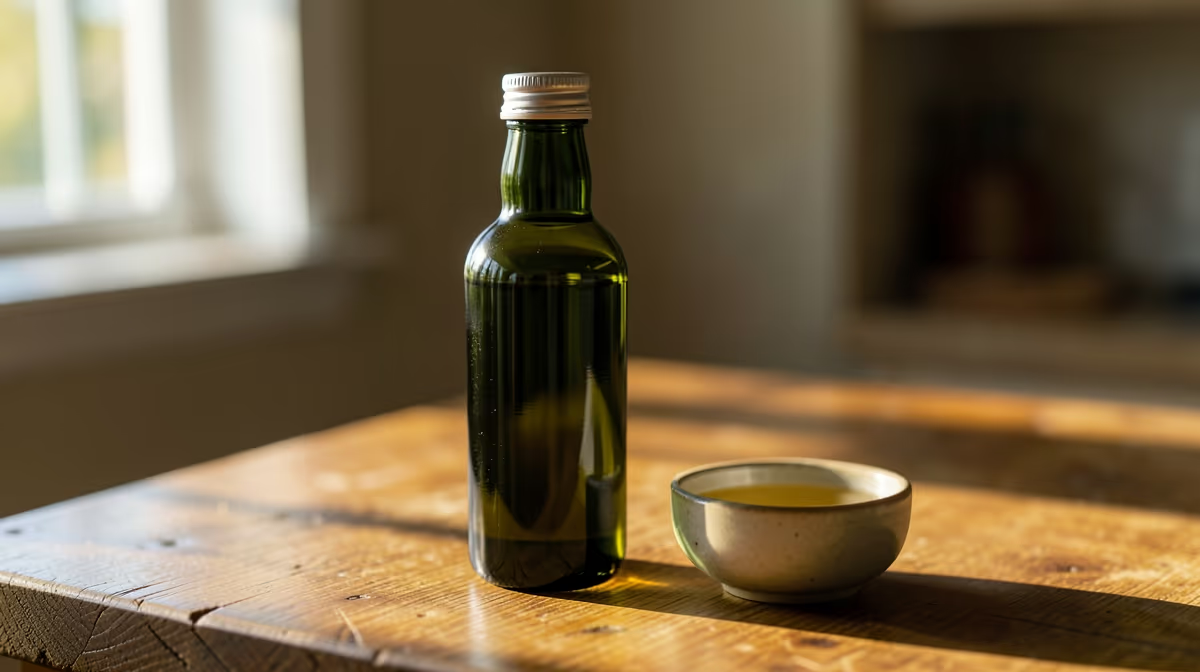
Using a spoiled fat can ruin an entire meal, making it essential to recognize the signs your olive oil has gone rancid before you start cooking. Fresh olive oil should taste vibrant, peppery, or grassy, but exposure to light, heat, and air eventually degrades it into a stale, unpleasant ingredient. Knowing how to evaluate your kitchen staples keeps your food tasting its best and protects your health.
Rancid olive oil loses its health benefits and develops a greasy, chemical-like smell resembling crayons or stale cardboard, meaning it should be discarded immediately rather than used for cooking.
How to Sniff Out Rancid Olive Oil
Your nose is your most reliable tool when determining if your kitchen oils are still good to use. Fresh olive oil has a bright, lively aroma that can range from freshly cut grass and green tomatoes to ripe fruit or mild herbs. These scents are a direct result of the volatile organic compounds present in high-quality olives.
When olive oil spoils, these pleasant aromas disappear, replaced by heavy, chemical-like odors. To perform a quick sniff test, pour a tablespoon of the oil into a small glass. Cup the glass in your hand for a minute to warm the liquid slightly, which helps release its aromas, then take a deep breath.
If the oil smells like play dough, box crayons, stale walnuts, or old latex paint, it has degraded. Some people also describe the smell of oxidized oil as resembling wet cardboard or rancid pork fat. If you detect any of these heavy, stale, or chemical notes instead of a clean, fresh plant scent, the oil is past its prime.
What Spoiled Olive Oil Tastes Like
If the smell test leaves you uncertain, a quick taste test will provide a definitive answer. Tasting a small sip of plain oil may sound unappealing, but it is the most accurate way to verify its quality before pouring it over a salad or into a hot pan.
Pour a tiny amount of the oil onto a spoon, slurp it into your mouth to draw in air, and let it roll over your tongue. Fresh extra virgin olive oil typically has a complex flavor profile that may taste buttery, fruity, or intensely bitter, often followed by a sharp, peppery sting at the back of your throat. This peppery sensation is a sign of high antioxidant content, not spoilage.
In contrast, rancid olive oil tastes flat, stale, and greasy. The bright, bitter notes vanish completely, replaced by a flavor reminiscent of stale nuts, pumpkin seeds that have sat too long in the pantry, or even metallic elements. It will taste heavy and leave a wax-like coating on your tongue and the roof of your mouth that is difficult to wash away with water.
Visual and Texture Clues in the Bottle
While scent and flavor are the primary indicators of quality, you can also look for subtle physical clues on and around your oil container.
A sticky, thick residue around the pouring spout or cap is a strong indicator of localized oxidation, warning you that the rest of the bottle may soon follow.
This gummy buildup occurs when small drips of oil are constantly exposed to the open air, drying out and spoiling rapidly. If this residue smells highly rancid, it can taint the fresh oil as you pour it out.
It is important to note that color is not a reliable indicator of spoilage. Fresh oils can range from deep, emerald green to pale straw yellow depending on the olive variety, geographic region, and harvest time. A shift from green to yellow does not mean your oil is ruined. Similarly, cloudiness or a semi-solid texture simply means the bottle was stored in a cold environment, such as a refrigerator or a cold pantry. This cloudiness is harmless and will disappear once the bottle warms back up to room temperature.
Comparing Fresh vs. Rancid Olive Oil
To help you quickly distinguish between a healthy bottle and one that needs to be thrown away, use this comparison of key sensory characteristics.
| Attribute | Fresh Olive Oil | Rancid Olive Oil |
|---|---|---|
| Aroma | Grassy, fruity, peppery, or herbaceous | Crayons, stale nuts, wet cardboard, or old paint |
| Taste | Bitter, pungent, bright, or buttery | Flat, greasy, stale, or metallic |
| Mouthfeel | Clean, light, slightly warming | Heavy, waxy, leaving a greasy film |
| Health Benefits | High in active antioxidants and polyphenols | Minimal antioxidants; contains free radicals |
Why Olive Oil Goes Bad
Understanding the underlying process of spoilage can help you protect your ingredients. Olive oil degrades through a chemical process called oxidation, which occurs when the unsaturated fats in the oil react with oxygen molecules. This reaction breaks down the fatty acids into smaller compounds like aldehydes and ketones, which produce the unpleasant smells and tastes associated with spoilage.
Four primary factors accelerate this degradation:
- Light: Ultraviolet rays break down the delicate compounds in the oil. This is why high-quality oils are packaged in dark green or amber glass bottles.
- Heat: High temperatures speed up chemical reactions, causing the oil to oxidize much faster than it would in a cool climate.
- Oxygen: Leaving the cap off or loose exposes the liquid to air, initiating the breakdown process immediately.
- Time: Olive oil is a fresh agricultural product, not a fine wine that improves with age. It begins to degrade the moment it is pressed.
How to Store Olive Oil to Prevent Rancidification
To maximize the shelf life of your oil and keep it tasting fresh for as long as possible, you must control its exposure to its natural enemies: light, heat, air, and time.
Keep your oil in a cool, dark place, such as a pantry cupboard or a dark closet. Avoid storing it on the countertop directly next to your stove, oven, or on a sunny windowsill, as the constant heat fluctuations and light exposure will spoil the oil within weeks.
Ensure the cap is screwed on tightly immediately after every use to minimize air exposure. If you purchase oil in large metal tins, consider decanting a small portion into a smaller, dark glass bottle for daily use, leaving the bulk of the oil sealed and protected from constant air contact.
Lastly, manage your purchasing habits. Buy bottle sizes that match your actual cooking frequency. A large bottle might seem economical, but if it takes you six months to finish it, the oil will likely go rancid before you reach the bottom. Aim to use up an opened bottle within two to three months for the best flavor and nutritional value.
Frequently Asked Questions
Is it safe to cook with rancid olive oil?
While consuming rancid olive oil is unlikely to make you immediately sick, it tastes highly unpleasant and ruins the flavor of your food. Additionally, the oxidation process destroys the oil's beneficial antioxidants and produces free radicals, which are not optimal for health.
How long does olive oil last once opened?
Once opened, a bottle of olive oil should ideally be consumed within two to three months. While it may remain safe to consume for up to six months or more if stored properly, its flavor profile and antioxidant levels will steadily decline during this time.
Does unopened olive oil expire?
Yes, unopened olive oil will eventually go bad. Most high-quality bottles feature a harvest date or a "best-by" date, which is typically 18 to 24 months from the time of bottling, provided it is kept in a cool, dark environment.
Can you fix rancid olive oil?
No, there is no way to reverse the chemical process of oxidation once it has occurred. Rancid oil cannot be filtered, heated, or combined with other ingredients to restore its fresh flavor, and it must be discarded.
Conclusion
Recognizing the signs of rancidity helps you maintain the quality of your cooking and ensures your meals taste exactly as intended. By regularly using your senses of smell and taste to evaluate your kitchen oil and storing it in a cool, dark space, you can enjoy the full flavor and health benefits of fresh olive oil in every dish.

