
One Week Budget Meal Plan Construction: A Step-by-Step Guide
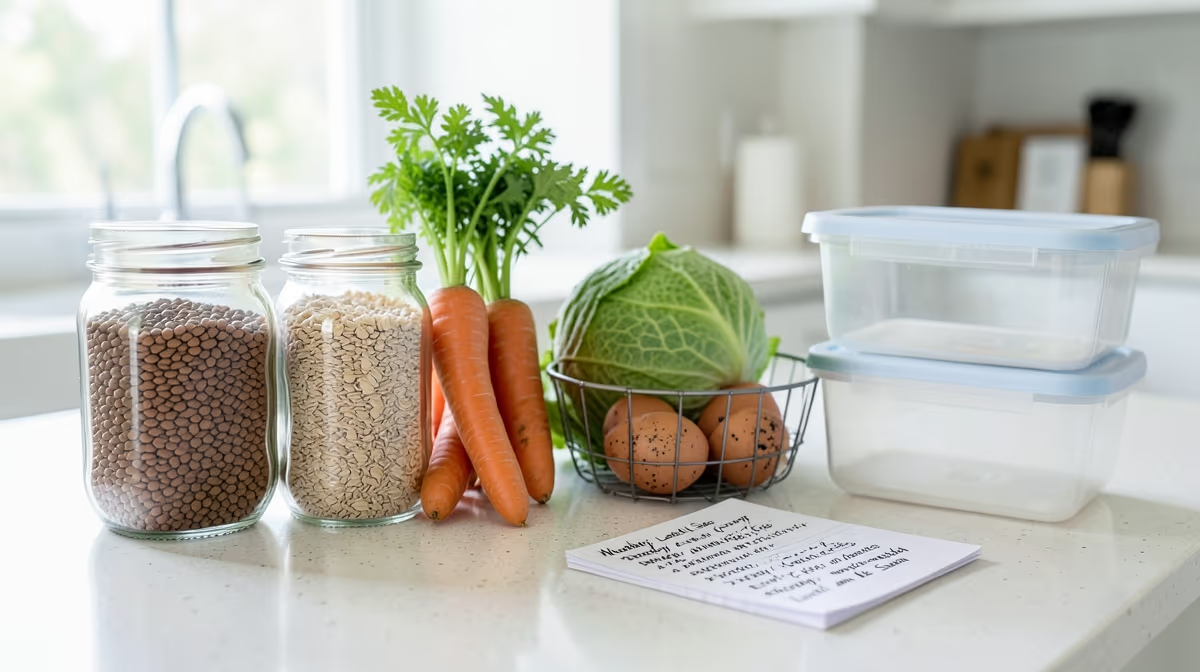
Building a one week budget meal plan is the most effective way to cut your grocery bills without sacrificing nutrition or flavor. By taking a structured approach to your weekly food prep, you can eliminate impulse buying and significantly reduce kitchen waste.
The secret to a successful budget meal plan is designing your menu around cross-utilizing a few versatile, low-cost staple ingredients across multiple different dishes.
Essential Steps Before You Shop
Before you write down a single recipe or buy any ingredients, you must assess what you already have in your kitchen. Skipping this step often leads to buying duplicates of items you already own.
- Inventory your pantry, fridge, and freezer to identify ingredients that need to be used up immediately.
- Look at local store circulars or digital flyers to see which proteins, grains, and produce are on sale this week.
- Establish a clear spending limit for your grocery run to keep your financial goals on track.
How to Structure Your Weekly Menu
You do not need to cook seven entirely different dinners every week. In fact, doing so will inflate your grocery bill and increase your time spent in the kitchen. Instead, aim for a simple, repeatable structure.
- Plan for leftovers by intentionally doubling your dinner portions so that you have easy, cost-free lunches for the following day.
- Anchor your meals around affordable, shelf-stable proteins such as dried beans, lentils, eggs, canned tuna, or peanut butter.
- Practice cross-utilization by choosing two or three main produce items, like cabbage and carrots, that work well in salads, stir-fries, and soups.
- Keep breakfasts simple and repetitive, using budget-friendly staples like oats or bananas.
Smart Ingredient Swaps for Maximum Savings
You can easily lower your food costs by making strategic substitutions in your favorite recipes. Many recipes are highly adaptable, allowing you to swap expensive ingredients for cheaper alternatives.
Swapping fresh berries for frozen ones, or choosing bone-in chicken thighs instead of boneless breasts, can cut your ingredient costs by up to fifty percent.
If a recipe calls for a specific fresh herb that you will only use once, replace it with a dried alternative from your pantry, or use green onion tops which are cheap and highly versatile.
A Sample Budget Meal Plan Framework
To visualize how ingredients can overlap, look at this simple three-day breakdown of a weekly meal plan. It demonstrates how a few ingredients are repurposed to save both time and money.
| Day | Breakfast | Lunch | Dinner |
|---|---|---|---|
| Monday | Oatmeal with sliced banana | Chickpea salad wrap | Rice, black beans, and roasted cabbage |
| Tuesday | Oatmeal with peanut butter | Leftover rice and black beans | Cabbage and chicken stir-fry with rice |
| Wednesday | Scrambled eggs on toast | Leftover chicken stir-fry | Lentil and carrot soup with toast |
Prep and Storage Strategies to Prevent Waste
Even the best plan will fail if your food spoils before you can eat it. Proper kitchen management and storage are essential parts of cooking on a budget.
Once you return from the store, wash and prep your vegetables immediately. Store delicate leafy greens with a dry paper towel inside an airtight container to absorb excess moisture and extend their freshness.
Use batch cooking for your grains and legumes early in the week. Preparing a large pot of rice or boiling a batch of dry black beans on Sunday saves both cooking gas and precious weeknight time.
Common Mistakes That Inflate Your Grocery Bill
Many well-meaning cooks accidentally drive up their expenses by falling into common grocery store traps.
- Buying specialty items that you will only use for one specific recipe.
- Shopping without a rigid, written list that aligns exactly with your plan.
- Purchasing pre-cut vegetables and fruits, which carry a massive convenience markup compared to whole produce.
- Assuming bulk buys are always cheaper without checking the unit price on the shelf tag.
Frequently Asked Questions
How much money can you save with a budget meal plan?
Savings vary based on your location and household size, but many households see a reduction of twenty to forty percent on their monthly food costs. This savings comes primarily from eliminating food waste and avoiding last-minute takeout.
Can you eat healthy on a cheap weekly meal plan?
Yes, eating nutritiously on a budget is highly achievable. Focusing your meals on whole foods like dry oats, brown rice, dry lentils, seasonal produce, and eggs provides high nutritional value at a very low cost.
How do I handle cravings or menu boredom during the week?
Keep a small selection of versatile spices, hot sauces, or vinegar on hand to change the flavor profile of your leftovers. You can also leave one meal slot open as a "flexible" night to use up any random ingredients left in your fridge.
Is it cheaper to buy dried beans or canned beans?
Dried beans are significantly cheaper per serving than canned beans, though they require more cooking time. If convenience is a priority, canned beans are still a highly affordable, budget-friendly protein source.
Conclusion
Building a budget meal plan takes a small investment of time upfront but pays off significantly in savings and reduced daily stress. By checking your current inventory, planning your menu around versatile staples, and storing your food properly, you can master your weekly kitchen budget with ease.

