
Common mistakes when seasoning cast iron and how to easily fix them
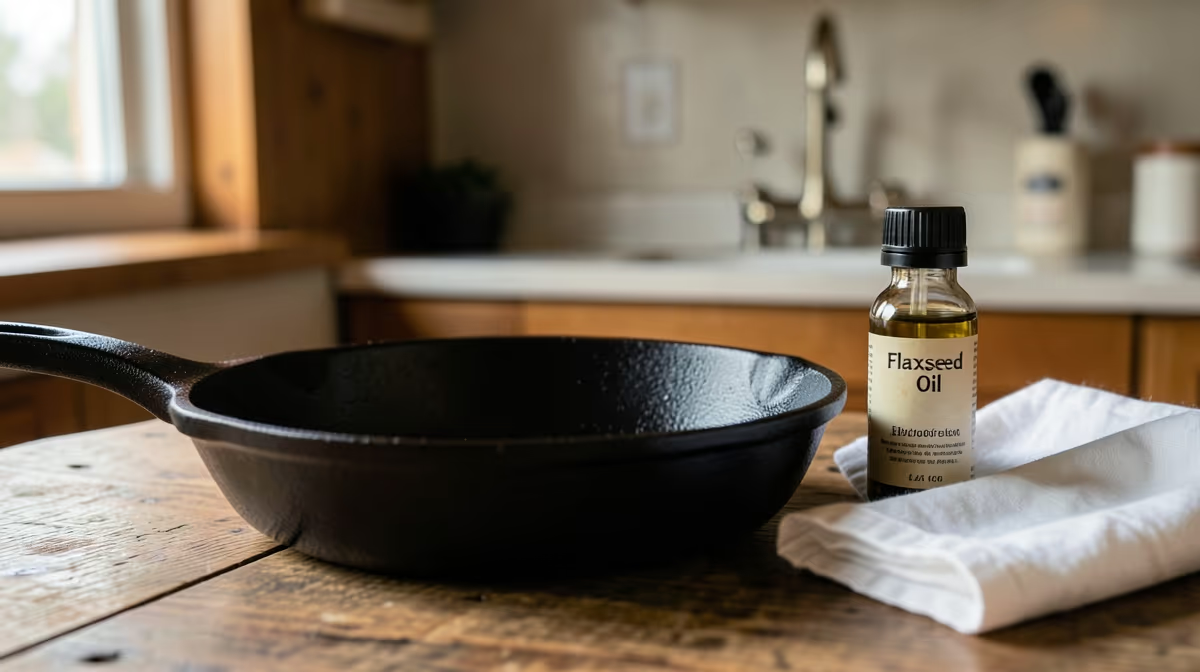
Achieving a smooth, dark, naturally nonstick surface on your cookware is a badge of honor for any home cook, but repeating common mistakes when seasoning cast iron can quickly ruin your efforts. Seasoning is not just a coating of oil; it is a chemical process called polymerization that transforms liquid fat into a hard, protective plastic-like layer. When this process goes wrong, you end up with a sticky, patchy, or rusting skillet. Understanding the science behind seasoning will help you maintain your pans for generations.
The secret to a perfect cast iron seasoning is applying the thinnest possible layer of oil and heating it past its smoke point so it bonds fully with the metal.
Using Too Much Oil (The Sticky Trap)
The single most widespread error people make is applying too thick a layer of oil. When you apply oil generously, thinking more is better, the excess fat cannot polymerize evenly. Instead of forming a hard, thin glass-like coat, the pooled oil bakes into a sticky, gummy, brown residue that easily flakes off and ruins your food.
To avoid this issue, you must wipe away almost all the oil you apply before heating the pan. After rubbing oil over every surface of the skillet, take a clean, dry paper towel or microfiber cloth and buff the metal. You want to wipe the pan so thoroughly that it looks completely dry, as if you are trying to remove all the oil you just put on. A microscopic layer will remain on the textured metal, which is exactly what you need for a successful oven bake.
Choosing the Wrong Seasoning Oil
Not all culinary fats are created equal when it comes to building a durable finish. Fats with low smoke points or those containing salt and water will degrade, burn off, or cause spotty protection. Butter, margarine, extra virgin olive oil, and bacon grease (unless highly filtered) contain solids and impurities that scorch at low oven temperatures, leaving behind a weak, flaky layer rather than a smooth patina.
For a resilient finish, you need neutral oils with a high smoke point that can withstand high-heat polymerization without breaking down into soot.
| Oil Type | Smoke Point | Recommended? | Why |
|---|---|---|---|
| Grapeseed Oil | 420 degrees F | Yes | High smoke point, neutral, creates a hard and highly durable layer |
| Canola Oil | 400 degrees F | Yes | Highly affordable, readily available, reliable everyday choice |
| Flaxseed Oil | 225 degrees F | No | Dries very hard but is highly prone to flaking off with regular use |
| Bacon Grease | 375 degrees F | No | Contains animal proteins and salts that can rot or cause spotty layers |
| Butter | 350 degrees F | No | Contains milk solids and water that burn easily and spoil |
Not Heating the Pan Hot Enough
For polymerization to occur, the oil must be heated past its specific smoke point. If your oven temperature is set too low, the oil merely gets warm and stays in a liquid or semi-liquid state. This is another frequent cause of the dreaded sticky skillet. If you are using canola oil, which smokes around 400 degrees Fahrenheit, baking your pan at 350 degrees Fahrenheit will never produce a proper season.
Always set your oven 25 to 50 degrees Fahrenheit above the smoke point of your chosen oil. For canola or grapeseed oil, an oven temperature of 450 degrees Fahrenheit is ideal. Bake the pan upside down for a full hour to allow the heat to thoroughly bake the oil into the iron pores. Place a sheet of aluminum foil on the rack below to catch any accidental drips.
Rushing the Cooling Process
Once the baking hour is complete, do not immediately pull the sizzling hot pan out of the oven. Exposing hot cast iron to rapid temperature drops can cause thermal shock, which leads to warping, hairline fractures, or even a complete crack through the middle of your skillet.
To let the molecular bonds stabilize and protect the physical integrity of your cookware, follow these cooling steps:
- Turn off the oven as soon as the sixty-minute timer ends.
- Leave the oven door completely closed for the first thirty minutes.
- Crack the oven door open slightly to let the remaining heat escape gradually.
- Remove the skillet only when it is cool enough to handle comfortably with your bare hands.
Failing to Clean the Pan Prior to Seasoning
Applying new layers of seasoning over a dirty pan is like painting over a dusty wall. If you do not clean away old carbonized food, rust spots, or sticky residue before seasoning, you will trap those impurities underneath the new layer of oil. This results in a bumpy, uneven surface that will eventually peel off, taking your new seasoning with it.
Before you begin the oiling and baking process, wash your pan thoroughly. Use warm water, a mild dish soap, and a stiff brush or chainmail scrubber to remove all loose debris. If there are stubborn black flakes of burnt food, scrub them away completely. Dry the pan immediately and thoroughly on a warm stovetop burner for a few minutes to ensure no moisture is trapped in the iron pores before you apply the oil.
How to Repair a Failed Seasoning Attempt
If you have already fallen victim to some of these common mistakes when seasoning cast iron, you do not need to throw your pan away. Cast iron is incredibly resilient, and almost any mistake can be reversed with a bit of patience.
To fix a sticky, gummy, or uneven seasoning layer, you can use a simple re-baking method or a complete strip-down depending on the severity of the damage.
The Easy Fix for Gummy Residue
If your pan is simply sticky because you used too much oil, place the pan upside down in your oven and bake it at 450 degrees Fahrenheit for another hour. This extra heat can often force the excess oil to finish polymerizing, turning the sticky surface into a hard, dry layer.
The Complete Reset for Severely Damaged Pans
If your pan has thick, peeling black flakes or heavy rust, you will need to strip it back to raw iron.
Never use extremely harsh industrial chemicals or leave your pan in a self-cleaning oven cycle, as the extreme heat can warp or crack the cast iron.
Instead, use steel wool and a mixture of equal parts warm water and white vinegar to scrub away the old rust and degraded seasoning. Once you have scrubbed the pan down to its grey, raw iron state, wash it with soapy water, dry it immediately on the stove, and start the seasoning process from scratch with ultra-thin coats of oil.
Frequently Asked Questions
Can you use dish soap on a seasoned cast iron pan?
Yes, you can use a small amount of mild dish soap to clean seasoned cast iron without stripping the finish. Modern dish soaps are gentle and do not contain lye, which was the chemical historically responsible for destroying seasoning layers. Just avoid soaking the pan in water for long periods.
Why is my cast iron skillet sticky after seasoning?
A sticky skillet is caused by applying too much oil or not heating the pan to a high enough temperature. The excess oil pools and fails to fully polymerize, leaving a gummy residue instead of a hard, slick finish. You can often fix this by baking the empty pan upside down in a hot oven for another hour.
What is the best oil to season a cast iron pan?
Grapeseed oil and canola oil are highly recommended because they have high smoke points and form durable, neutral finishes. Avoid butter, olive oil, and unrefined animal fats, as their low smoke points and impurities lead to scorching and weak seasoning layers.
How do I know if my cast iron needs to be seasoned again?
You will know your pan needs attention if food begins to stick easily, if the surface looks dull and grey, or if rust spots start to appear. A well-seasoned pan should have a dark, semi-glossy black sheen that easily releases eggs and other delicate ingredients.
Conclusion
Maintaining a cast iron skillet does not have to be intimidating once you understand the simple chemistry of fat polymerization. By avoiding thick coats of oil, choosing high-smoke-point fats, and applying adequate oven heat, you can keep your pan in perfect cooking condition. Treat your cast iron with care, and it will reward you with a naturally nonstick cooking surface that lasts a lifetime.

