
Cast iron vs nonstick pans compared for daily cooking needs
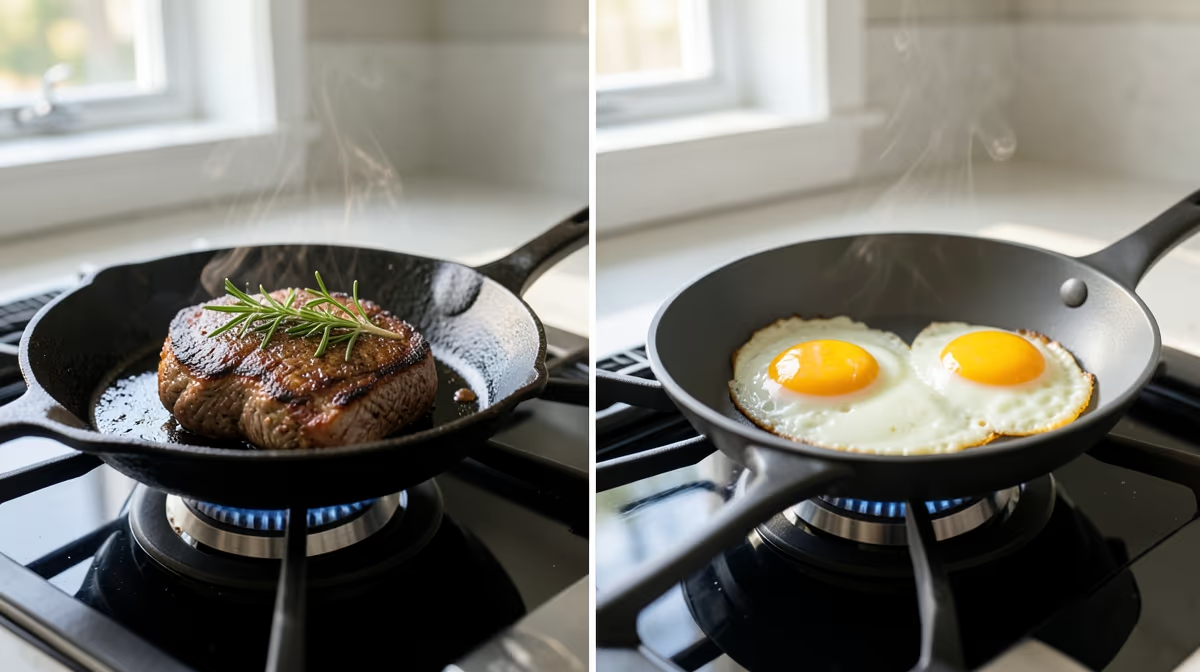
Choosing the right skillet shapes your entire daily cooking experience and dictates how your food tastes. When comparing cast iron vs nonstick pans, the best option depends on your cooking style, maintenance tolerance, and what you cook most often. While one offers unmatched durability and heat retention, the other provides effortless food release and quick cleanup.
Choose cast iron for high-heat searing, baking, and lifetime durability, but opt for nonstick pans when cooking delicate foods like eggs and fish that require low heat and effortless cleanup.
Understanding Cast Iron Cookware
Cast iron skillets are made by pouring molten iron into a sand mold, creating a single, heavy piece of metal. This construction makes them incredibly tough and virtually indestructible.
The standout feature of cast iron is its outstanding heat retention. Once a cast iron pan gets hot, it stays hot. This constant heat is what allows you to get a deep, flavorful crust on proteins and bake bread with a crispy golden crust.
To keep food from sticking to cast iron, the pan requires a layer of seasoning. This is not salt and pepper, but rather layers of oil baked onto the metal at high heat. This process causes the oil to polymerize, transforming it into a hard, slick, natural barrier that improves with every single use.
Understanding Nonstick Cookware
Nonstick pans are usually made of aluminum or stainless steel, coated with a slippery synthetic layer. The traditional coating is polytetrafluoroethylene (PTFE), commonly known as Teflon. Modern variations also include ceramic coatings, which use a silica-based gel to achieve a smooth surface.
These pans are designed for low-fat cooking and handling delicate ingredients that easily tear or stick. Because of the slick coating, you do not need much butter or oil to prevent food from binding to the pan surface.
However, nonstick surfaces cannot handle extreme temperatures. High heat can degrade the coating, causing it to lose its nonstick properties or even release fumes. Consequently, these pans are meant for gentle, low-to-medium heat cooking.
Side-by-Side Comparison of Cast Iron vs Nonstick Pans
When looking at cast iron vs nonstick pans for daily use, your choice should match your menu and your willingness to maintain your cookware.
| Feature | Cast Iron Pans | Nonstick Pans |
|---|---|---|
| Heat Retention | Excellent | Poor to Moderate |
| Average Lifespan | Decades to generations | 2 to 5 years |
| Coating Type | Natural polymerized oil | PTFE (Teflon) or Ceramic |
| Cooking Surface | Textured (smoothes over time) | Ultra-smooth and slick |
| Best For | Searing, roasting, baking | Eggs, fish, delicate crepes |
| Dishwasher Safe | No | No (hand wash recommended) |
When to Use Cast Iron
Cast iron excels in cooking techniques that demand high temperatures and even heat distribution. It is the best choice for:
- Searing steaks, pork chops, and burgers to get a caramelized crust
- Baking rustic cornbread, biscuits, or Dutch babies in the oven
- Shallow frying chicken or frying potatoes where oil temperature must remain steady
- Long, slow braises or stews that start on the stovetop and finish in the oven
Because cast iron can safely go from the stovetop directly into a hot oven, it offers versatility that most nonstick pans simply cannot match.
When to Use Nonstick Pans
Nonstick pans are built for speed, convenience, and gentleness. They are the ideal choice for:
- Cooking scrambled eggs, omelets, and frittatas without tearing them
- Sautéing delicate fish fillets that tend to flake apart
- Flipping thin crepes, pancakes, or French toast
- Quick, low-fat stir-fries and warming up leftovers with minimal cleanup
If you want to prepare a quick breakfast on a busy morning without worrying about food sticking or scrubbing a heavy pan afterward, nonstick is the superior tool.
Cleaning and Maintenance Differences
The way you care for these two pans could not be more different. Nonstick pans require gentle care to protect the fragile coating, while cast iron requires active prevention against moisture to stop rust.
Caring for Nonstick Skillets
To maximize the lifespan of your nonstick pan, you must avoid abrasive scrubbers. Wash the pan by hand using a soft sponge and mild dish soap. Never use metal utensils like spoons or spatulas, as they will scratch and ruin the coating. Always use wood, silicone, or plastic tools.
Caring for Cast Iron Skillets
Cast iron requires a simple but specific routine. Wash it with warm water and a gentle brush. You can use a small drop of dish soap without harming the seasoned layer. Once clean, dry the pan completely with a towel or by heating it on the stove for a minute.
Never pour cold water into a screaming hot cast iron skillet, as the thermal shock can crack or warp the metal permanently.
Before storing your cast iron pan, apply a microscopic layer of neutral cooking oil to the cooking surface to protect it from humidity and rust.
Frequently Asked Questions
Can you use soap on a cast iron pan?
Yes, using a mild dish soap to wash cast iron is perfectly fine and will not strip away your hard-earned seasoning. Just avoid harsh abrasive scrubbers like steel wool, and make sure to dry the pan completely immediately after washing.
How long do nonstick pans typically last?
A high-quality nonstick pan generally lasts between two to five years with regular use. Once the surface is scratched, peeling, or food begins to stick consistently, the pan has reached the end of its life and needs to be replaced.
Can you put cast iron in the dishwasher?
No, you should never put a cast iron skillet in the dishwasher. The harsh environment and prolonged moisture will completely strip the seasoning and cause the iron to rust heavily.
Which pan is safer for high-heat cooking?
Cast iron is much safer for high-heat cooking because it can withstand extreme temperatures without damage. Nonstick pans should never be heated above medium heat, as high temperatures can degrade the coating and release harmful fumes.
Conclusion
Both cast iron and nonstick pans have a valuable place in a well-equipped kitchen. Cast iron is a durable powerhouse that excels at high-heat searing, baking, and heavy-duty cooking, lasting for generations when properly seasoned. Nonstick pans offer unmatched convenience for delicate, low-heat foods like eggs and fish, making daily breakfasts and cleanups incredibly fast. For most home cooks, keeping one of each on hand provides the perfect balance for any recipe.

