
Best Way to Organize a Small Kitchen Pantry for Maximum Space
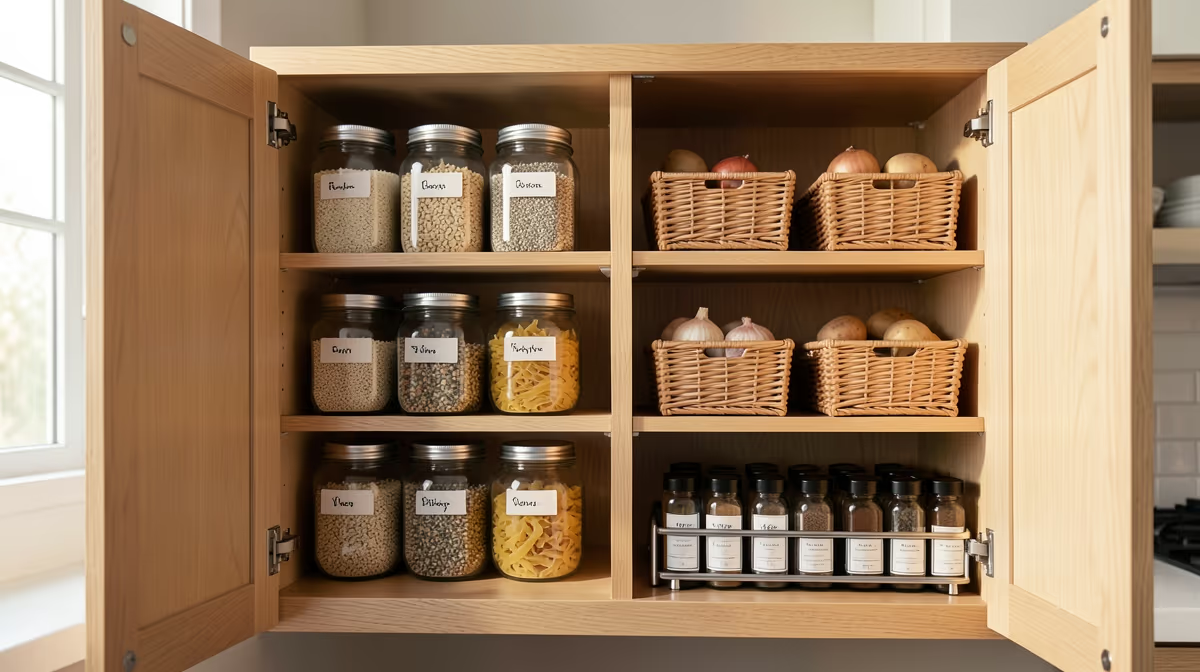
Having a small kitchen does not mean you have to deal with a cluttered, overflowing food closet. The best way to organize a small kitchen pantry is to combine smart decluttering with strategic storage solutions that utilize every square inch of available space. By categorizing your ingredients and choosing the right storage vessels, you can turn even the narrowest cupboard into an efficient, highly functional storage zone. Let us walk through the practical steps to transform your pantry into an organized space where you can find exactly what you need in seconds.
The secret to maintaining a small pantry is visibility: if you cannot see your ingredients, you will buy duplicates and let old food expire.
Empty and Clean Your Pantry Fully
You cannot organize a space that is already crowded with items you no longer need or use. Trying to organize around existing clutter is a common mistake that leads to frustration. The only way to start is with a completely blank slate.
- Take absolutely everything out of your pantry and place it on a clean kitchen counter or table.
- Check the expiration dates on every single can, jar, box, and bag, discarding anything that is past its prime.
- Group items that are still safe to eat but that you know you will not use, and set them aside to donate to a local food bank.
- Wipe down the empty pantry shelves with a mild all-purpose cleaner to remove dust, crumbs, and sticky spills.
Once your shelves are dry, you can clearly evaluate the physical space you have to work with. Take a moment to measure the height, width, and depth of each shelf. Having these measurements handy will prevent you from buying storage bins that are too deep or too tall for your cupboard.
Categorize Your Items with the Zone Method
Grouping your food by category is the most effective way to prevent clutter from returning. Instead of putting items back onto shelves at random, assign a specific purpose to each shelf or section. This is called the zone system, and it ensures that every item has a designated home.
- Baking essentials: Keep flour, sugar, baking powder, and decorating supplies together.
- Quick meals: Group pasta, rice, canned soups, and jarred sauces in one accessible spot.
- Breakfast foods: Reserve a space for cereal boxes, oatmeal canisters, pancake mix, and syrups.
- Snacks: Put crackers, chips, nuts, and granola bars in a single, easy-to-reach area.
- Cooking foundations: Place oils, vinegars, broths, and frequently used spices together.
Place your most frequently used zones on the middle shelves, which sit right at eye level. This makes grabbing everyday items quick and effortless. Keep heavy items, like bulk bags of rice or gallons of cooking oil, on the bottom floor of the pantry. Lightweight items and backstock goods that you do not need daily should go on the very top shelves.
Choose the Right Storage Containers
Mismatched cardboard boxes and plastic bags waste an incredible amount of physical space in a small pantry. Transferring your dry goods into uniform containers allows you to stack items and use your shelf depth more effectively.
| Container Type | Best Used For | Space-Saving Benefit |
|---|---|---|
| Square Glass Jars | Flour, sugar, oats, and rice | No wasted corner space, easily stackable |
| Wire Baskets | Potatoes, onions, and bagged items | High visibility, allows necessary airflow |
| Turntables | Oils, vinegars, and small condiment jars | Keeps deep corners fully accessible with a spin |
| Clear Plastic Bins | Snack bars, juice pouches, and spice packets | Corrals loose items so they do not tip over |
When selecting containers, opt for square or rectangular shapes rather than round ones. Round canisters leave empty, unusable gaps between them, whereas square containers fit flush against one another, maximizing every inch of shelf surface.
Decanting dry goods into uniform, clear containers is not just for looks; it removes bulky, mismatched packaging that wastes precious shelf space.
If you choose to transfer your food into jars, always label them. Use a simple label maker or write directly on the container with a chalk marker. Be sure to note the expiration date on the bottom of the container so you always know when the food needs to be consumed.
Maximize Vertical Space and Hidden Areas
In a small pantry, empty vertical space is wasted space. If your shelves are fixed and have a large amount of empty air above your items, you need to find ways to insert extra levels of storage.
First, consider adding wire shelf risers. These simple metal platforms essentially double your shelf space by allowing you to stack plates, cans, or small bowls without piling them directly on top of each other. Under-shelf wire baskets are another excellent option; they slide easily onto your existing shelves and hang down, creating a perfect slot for flat items like wraps, foil, or small snack bags.
Do not overlook the inside of your pantry door. An over-the-door organizer with shallow pockets or wire baskets can hold dozens of spices, jars, or condiments. This simple addition frees up an entire shelf inside the cabinet, giving your larger items room to breathe.
Establish a Simple Maintenance Routine
No organization system will work permanently without regular maintenance. A small pantry can become cluttered again in just a couple of weeks of busy cooking and grocery shopping if you do not stay on top of it.
Implement the first-in, first-out method when putting away new groceries. When you buy fresh cans of beans or boxes of pasta, place them behind the older items already on your shelf. This simple habit ensures that you use up older inventory before it expires, reducing both food waste and clutter.
Every month, spend five minutes doing a quick sweep of the pantry. Toss out empty boxes, wipe down any sticky shelves, and group stray items back into their proper zones. If you notice a particular zone is constantly messy, it may mean that the system is too complicated. Adjust the zones to fit your actual daily cooking habits.
Frequently Asked Questions
Should I take everything out of its original packaging?
You do not need to decant everything, but doing so for baking staples, cereals, and grains saves a significant amount of space. For items you use quickly or buy in small quantities, simply keeping them in a designated basket inside their original packaging is perfectly fine.
How do I store spices in a very small pantry?
The most efficient way to store spices in a tight space is on a tiered spice riser on a middle shelf, or by mounting a magnetic spice rack to the inside of your pantry door. Avoid keeping spices loose on a flat shelf, as they easily tip over and get lost in the back.
What is the best way to keep onions and potatoes in a small pantry?
Keep onions and potatoes in separate, open wire or wicker baskets on the cool floor of your pantry. Never store them in sealed plastic bags, as they need air circulation to stay fresh, and keep them away from each other because onions emit gases that can cause potatoes to spoil faster.
How can I organize a deep, narrow pantry cabinet where things get lost?
Use a shallow **lazy Susan** turntable for smaller jars and oils, and long, clear plastic bins that function like drawers for dry goods. These bins allow you to easily pull out items from the very back of a deep shelf without having to reach in blindly.
Conclusion
Organizing a small kitchen pantry successfully comes down to improving visibility and using every inch of physical space. By emptying your shelves, sorting your dry goods into distinct zones, using square stackable containers, and utilizing vertical space with risers and door organizers, you can create a highly functional storage system. Spend a few minutes each month maintaining your zones, and your small pantry will remain clean, efficient, and easy to use.

