
Best Way to Store Fresh Ginger Long Term for Lasting Freshness
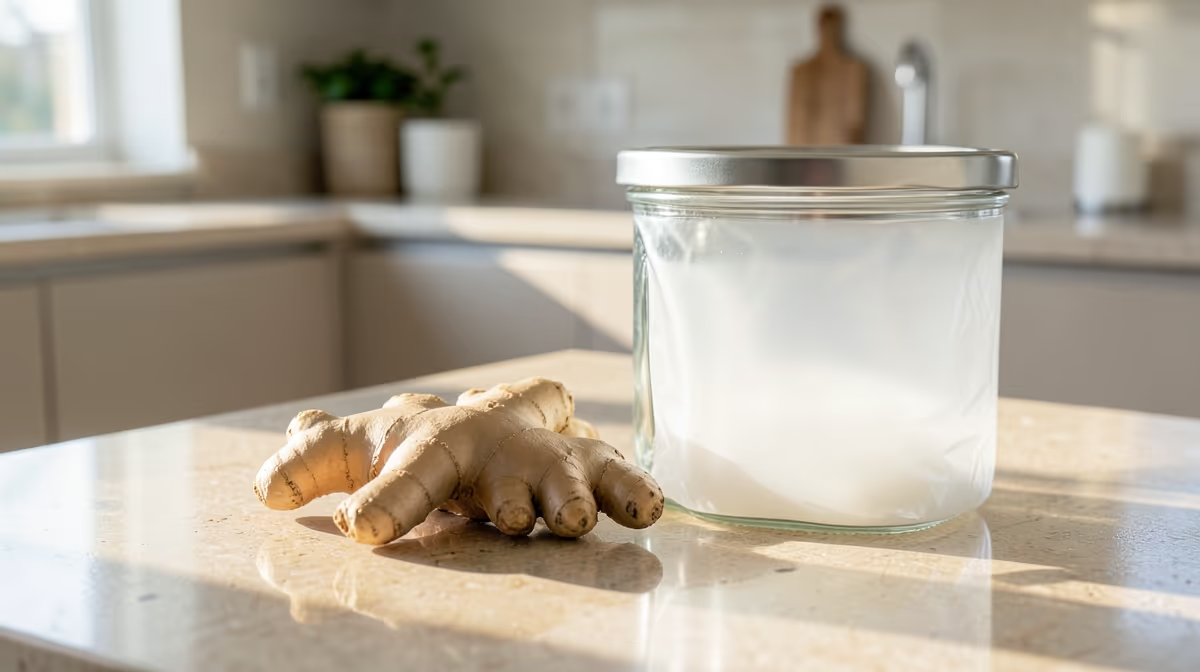
Keeping a fresh knob of ginger on hand instantly elevates your cooking, but letting it shrivel up in the back of your produce drawer is incredibly frustrating. Finding the best way to store fresh ginger long term ensures you always have that sharp, fiery kick ready for stir-fries, teas, and bakes without throwing away wasted produce. By choosing the right method, you can extend the shelf life of this fragrant rhizome from a mere week to several months.
For the absolute longest shelf life with zero flavor loss, freezing unpeeled ginger in an airtight container is the ultimate kitchen hack.
Evaluating Your Ginger Before Storage
Before you even think about storage options, you need to assess the quality of the ginger root you brought home from the grocery store or market. Storing low-quality or already-decaying ginger will only accelerate its spoilage, regardless of how advanced your storage method is.
Look for ginger knobs that feel heavy for their size. The skin should be thin, smooth, and taut, with a slight sheen to it. If the skin is highly wrinkled, it means the ginger has already lost a significant amount of its moisture and is starting to dry out.
Press the ginger gently. It should feel completely firm to the touch, like a hard piece of wood. If you feel any soft spots, give those pieces a miss, as soft areas indicate internal rot. Finally, inspect the cut ends of the rhizome. They should be dry and clean, without any signs of dampness, dark spots, or fuzz.
Storing Ginger in the Refrigerator
If you plan to use your ginger over the course of a few weeks, the refrigerator is your best option. However, simply tossing a loose knob of ginger into the vegetable crisper is a recipe for quick spoilage.
To store ginger in the fridge properly, you must control its exposure to air and moisture. Wrap the unpeeled ginger root tightly in a dry paper towel. The paper towel acts as a buffer, absorbing any excess condensation that builds up in your fridge.
Once wrapped, place the ginger inside a resealable plastic bag. Squeeze out as much air as possible before sealing the bag completely. Place this bag into the vegetable crisper drawer of your refrigerator, which is designed to keep humidity levels consistent. This method will keep your ginger fresh, firm, and mold-free for up to three to four weeks.
The Best Way to Store Fresh Ginger Long Term: Freezing
When it comes to keeping ginger fresh for several months, freezing is undisputedly the most effective method. Freezing locks in the essential oils that give ginger its signature spicy flavor and warm aroma, while completely halting the growth of spoilage organisms.
Always leave the skin on your ginger when freezing it; the skin protects the flesh from freezer burn and is incredibly easy to grate even when solid.
Freezing Whole Ginger Knobs
This is the easiest freezer method. Wash the ginger thoroughly to remove any dirt or residue from the skin. Pat it completely dry with a clean kitchen towel and let it air-dry on the counter for about fifteen minutes to ensure absolutely no surface moisture remains. Wrap the whole, unpeeled knob tightly in plastic wrap, then place it inside a heavy-duty freezer-safe bag. Whenever you need ginger for a recipe, pull the knob out, grate exactly what you need with a microplane, and pop the remaining frozen knob back into the freezer immediately.
Freezing Grated Ginger Portions
If you prefer not to grate frozen knobs on demand, you can prep your ginger in advance. Peel the ginger and grate the entire root using a fine grater or food processor. Line a baking sheet with parchment paper and spoon out individual, tablespoon-sized portions of the grated ginger onto the sheet. Place the baking sheet flat in the freezer for two hours until the portions are frozen solid. Transfer these frozen ginger mounds into an airtight container or freezer bag. When cooking, you can drop a pre-measured portion directly into hot pans or soups.
Preserving Ginger in Liquid
Another traditional method for long-term storage is submerging peeled ginger in an acidic or alcoholic liquid. This technique is excellent for those who want to keep their ginger soft and ready to slice or grate at a moment's notice.
To use this method, peel your ginger root completely and slice it into thin rounds or matchsticks. Place the ginger pieces into a clean glass jar. Pour in enough liquid to completely cover the ginger. Good liquid choices include dry sherry, vodka, sake, rice vinegar, or fresh lemon juice.
Seal the jar tightly and store it in the refrigerator. The alcohol or acid acts as a natural preservative, keeping the ginger safe from bacteria for up to three months. Keep in mind that the ginger will absorb some flavor from the liquid, and the liquid will take on a strong ginger kick, which you can actually use in your cooking or cocktail making.
Comparing Ginger Storage Methods
To help you decide which approach fits your cooking style best, here is a breakdown of the primary storage options, their shelf lives, and their ideal culinary uses.
| Storage Method | Expected Shelf Life | Best For |
|---|---|---|
| Pantry/Countertop | 1 to 2 weeks | Immediate daily use in hot tea or quick stir-fries |
| Refrigerator Crisper | 3 to 4 weeks | Regular weekly cooking where sliced ginger is needed |
| Freezer (Whole/Sliced) | 3 to 6 months | Long-term preservation with minimal flavor loss |
| Alcohol Submersion | 2 to 3 months | Quick grated ginger and stir-fry marinades |
Common Storage Mistakes to Avoid
Many home cooks accidentally shorten the life of their fresh ginger by making a few simple mistakes. Avoiding these pitfalls will save you money and preserve your spice.
First, never peel your entire ginger knob as soon as you get home. The skin is ginger’s natural armor, preventing moisture loss and protecting it from oxidation. Only peel the specific section you plan to use immediately.
Second, storing ginger without airtight packaging will lead to rapid dehydration in the fridge or severe freezer burn in the freezer. Air circulation dries out the root, turning it woody, fibrous, and virtually flavorless.
Third, do not store ginger near high-humidity areas or alongside ethylene-producing fruits like bananas and apples. These fruits accelerate ripening and decay in neighboring produce, which can cause your ginger to soften prematurely.
Signs Your Ginger Has Gone Bad
Even with the best storage practices, fresh ginger will eventually reach the end of its shelf life. Knowing how to spot the signs of spoilage prevents you from ruining your dishes with off-flavors.
The most obvious sign of spoilage is the presence of fuzzy, white, or green mold on the skin or the cut ends of the rhizome. If you see mold, do not try to cut it off; the mold spores and microscopic threads have likely penetrated deep into the fibrous root.
Another clear indicator is texture. If the ginger knob feels squishy, damp, or slimy, it has begun to rot. Fresh ginger should always remain completely firm.
Finally, rely on your sense of smell. Fresh ginger has a sharp, bright, citrus-like aroma. If you cut into a knob and it smells musty, sour, or flat, it has lost its potency and should be discarded.
Frequently Asked Questions
Can you eat ginger skin?
Yes, ginger skin is completely edible, though it can sometimes be tough or papery. If you are grating fresh ginger finely, you can easily leave the skin on without affecting the texture of your final dish.
Do you need to thaw frozen ginger before using it?
No, you do not need to thaw frozen ginger before using it in your recipes. Frozen ginger is actually much easier to grate than fresh ginger, and it melts instantly when added to hot pans or warm liquids.
Why does my ginger turn blue or grey inside?
Certain varieties of ginger naturally contain high levels of pigments called anthocyanins, which can turn blue or grey when exposed to cold temperatures or acidic ingredients. As long as the ginger is firm, smells fresh, and has no signs of mold, it is completely safe to eat.
Can I store ginger in water in the fridge?
While storing ginger in water keeps it plump, this is not recommended because the water quickly leaches out the flavor compounds and nutrients. It also increases the risk of bacterial growth and mold if the water is not changed daily.
Conclusion
Storing fresh ginger long term does not require complex equipment or advanced culinary skills. By wrapping unpeeled ginger in a paper towel inside a sealed bag for the fridge, or freezing whole knobs in airtight bags, you can preserve its vibrant taste and pungent aroma for months. Avoid excess moisture during prep, keep the protective skin on whenever possible, and enjoy fresh ginger on demand.

