
Knowing how long can cooked rice sit at room temperature safely
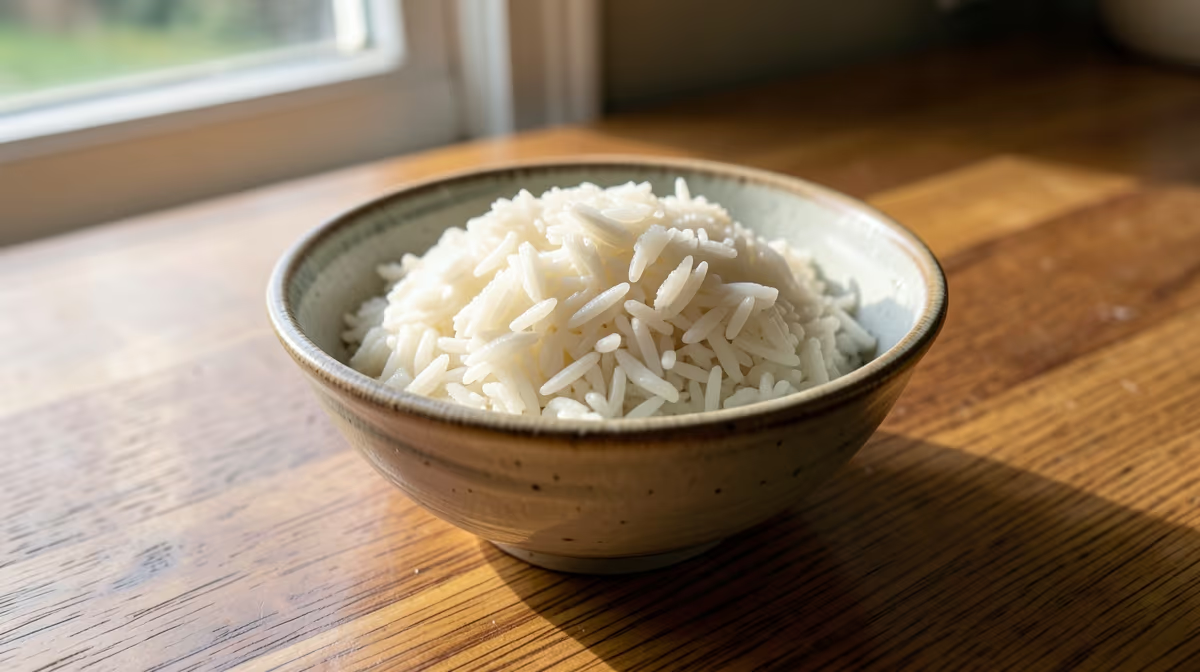
Keeping a fresh batch of fluffy rice ready for meals is incredibly convenient, but leaving it on the counter for too long can pose a serious health risk. If you are wondering how long can cooked rice sit at room temperature, the short answer is no more than two hours. In fact, if your kitchen is warm or during a hot summer day, that safe window shrinks even further. Understanding the science behind rice spoilage is essential for keeping your kitchen safe and avoiding foodborne illness.
Cooked rice must never sit at room temperature for more than two hours—or one hour if the ambient temperature is above 90 degrees Fahrenheit—to prevent the rapid growth of dangerous bacteria.
The Danger Zone and the Two-Hour Rule
Food safety experts often talk about the temperature danger zone, which ranges from 40 degrees Fahrenheit to 140 degrees Fahrenheit. Within this temperature range, bacteria can multiply at an incredibly fast rate, often doubling in number every twenty minutes. Because room temperature typically falls right in the middle of this danger zone, leaving cooked food out on the counter creates an ideal environment for microbial growth.
The two-hour limit is not an arbitrary suggestion; it is a strict baseline established to prevent food poisoning. When rice is left out, it retains a high moisture content and a neutral pH, both of which are highly appealing to bacteria. Once the clock passes the two-hour mark, the sheer volume of bacteria on the rice can reach levels that are highly likely to make you sick, even if the rice still smells completely fine and looks normal.
If your kitchen temperature is above 90 degrees Fahrenheit, such as during an outdoor gathering or in a kitchen without air conditioning, the safe limit drops to just one hour. The higher ambient heat accelerates bacterial reproduction, meaning the food becomes hazardous in half the usual time.
Why Cooked Rice is More Dangerous Than Other Leftovers
Many people assume that cooked grains are safer to leave out than meats or dairy products. However, rice is actually one of the most high-risk foods in your kitchen due to a specific bacterium called Bacillus cereus. This organism is naturally present in soil and frequently contaminates raw grains of rice during the growing and harvesting process.
What makes this bacterium particularly troublesome is its ability to produce protective spores. These spores are incredibly resilient and can survive the high heat of the boiling water used to cook the rice. When the rice is hot, the spores remain dormant. However, as the cooked rice cools down to room temperature, these spores wake up, germinate, and begin to actively multiply.
As they grow, they produce toxic byproducts that are highly resistant to heat. This means that if you let cooked rice sit out for too long and then reheat it thoroughly, the heat will kill the active bacteria, but it will not destroy the toxic spores or the heat-stable toxins they have already left behind. Consuming these toxins can cause sudden and severe digestive distress.
Step-by-Step Instructions for Cooling Rice Safely
To prevent bacteria from taking over your leftover rice, you must cool it down and get it into the refrigerator as quickly as possible. Leaving a large, deep pot of hot rice on the counter to cool slowly is a common mistake that keeps the center of the rice in the danger zone for hours. Instead, follow these steps to cool your rice quickly and safely:
- Divide the rice: Break large batches of rice down into smaller, shallow storage containers. This increases the surface area and allows heat to escape much faster.
- Spread it out: If you need to cool the rice immediately, spread the grains out in a thin layer onto a clean baking sheet or a large platter.
- Let the steam escape: Leave the containers uncovered or loosely covered with a clean kitchen towel while the initial steam dissipates. Do not seal the lids tightly while the rice is still hot, as this traps heat and condensation.
- Refrigerate promptly: Once the rice is no longer piping hot and has stopped steaming heavily, seal the containers and place them directly into the refrigerator.
By using these methods, you can easily transition your rice through the danger zone in under thirty minutes, ensuring it remains safe to eat later.
Rice Storage Temperature Guidelines
Managing how long can cooked rice sit at room temperature depends entirely on how you handle it immediately after cooking. Refer to this quick-reference table to understand the safety limits of cooked rice under different storage conditions:
| Storage Location | Maximum Safe Duration | Best Practices for Quality |
|---|---|---|
| Room Temperature (Below 90°F) | 2 hours | Keep covered to prevent airborne dust contamination. |
| Warm Room (Above 90°F) | 1 hour | Refrigerate immediately; do not let it sit out. |
| Refrigerator (40°F or lower) | 4 to 6 days | Store in shallow, airtight containers. |
| Freezer (0°F or lower) | 4 to 6 months | Pack in freezer bags with excess air squeezed out. |
Signs That Leftover Rice Has Spoiled
While some bacteria can contaminate food without changing its appearance or smell, spoiled rice often displays clear warning signs. Before reheating or consuming leftover rice, always inspect it for the following indicators:
- An unpleasant, sour, or musty odor: Freshly cooked rice should have a neutral, slightly sweet smell. Any off-putting aroma is a sign of bacterial activity.
- An excessively slimy or sticky texture: While rice is naturally sticky due to starch, spoiled rice feels abnormally slimy, greasy, or leaves a wet, stringy residue when you touch it.
- Hard, dry, or crumbly grains: If rice has been stored improperly or left out, the grains will dry out and lose their structure, making them unappealing and prone to spoilage.
- Visible mold: Any spots of blue, green, white, or black fuzz mean the rice is heavily contaminated and must be discarded immediately.
Remember, even if the rice looks and smells completely normal, you should still discard it if you know it has sat out at room temperature for longer than two hours.
Reheating Leftover Rice Safely
When you are ready to eat your stored rice, reheating it properly is just as important as how you cooled it. Proper reheating restores the texture of the rice and ensures any surface bacteria accumulated during handling are destroyed.
To reheat rice safely, ensure it reaches an internal temperature of 165 degrees Fahrenheit. You can achieve this in the microwave, on the stovetop, or in an oven. Because rice dries out easily in the refrigerator, always add a tablespoon of water, broth, or butter per cup of rice before heating. This creates steam, which helps heat the rice evenly and restores its light, fluffy texture.
Never reheat cooked rice more than once, as each subsequent temperature cycle creates a prime breeding ground for harmful bacteria.
Only reheat the specific portion of rice you plan to eat immediately. If you have a large container of refrigerated rice, scoop out what you need and leave the rest in the cold refrigerator to prevent unnecessary temperature fluctuations.
Frequently Asked Questions
Can you eat cooked rice left out overnight?
No, you should never eat cooked rice that has been left out overnight. Bacteria can multiply to dangerous levels during this time, producing heat-resistant toxins that cannot be destroyed by reheating.
Does reheating rice kill the bacteria that cause food poisoning?
Reheating will kill active bacteria, but it cannot destroy the heat-resistant spores or toxins produced by Bacillus cereus. If the rice has sat at room temperature for over two hours, reheating it will not make it safe.
Is it safe to put warm rice directly into the refrigerator?
Yes, putting warm rice directly into the refrigerator is safe and recommended. To prevent raising the internal temperature of your fridge, divide large batches of rice into small, shallow containers first.
How long can cooked rice stay in the freezer?
Cooked rice can be safely stored in the freezer for up to six months. For the best taste and texture, make sure to store it in an airtight freezer-safe bag or container with as much air removed as possible.
Conclusion
Cooked rice is a versatile kitchen staple, but its high moisture and susceptibility to spore-forming bacteria require careful handling. To keep your household safe, never let cooked rice sit at room temperature for more than two hours, or one hour in hot weather. Cool your rice quickly by dividing it into shallow containers, store it promptly in the refrigerator, and reheat it to a safe temperature only once. Following these simple food-safety practices ensures your quick meals remain both delicious and completely safe.

