
Storing Onions Without Rotting Keeps Them Fresh For Months
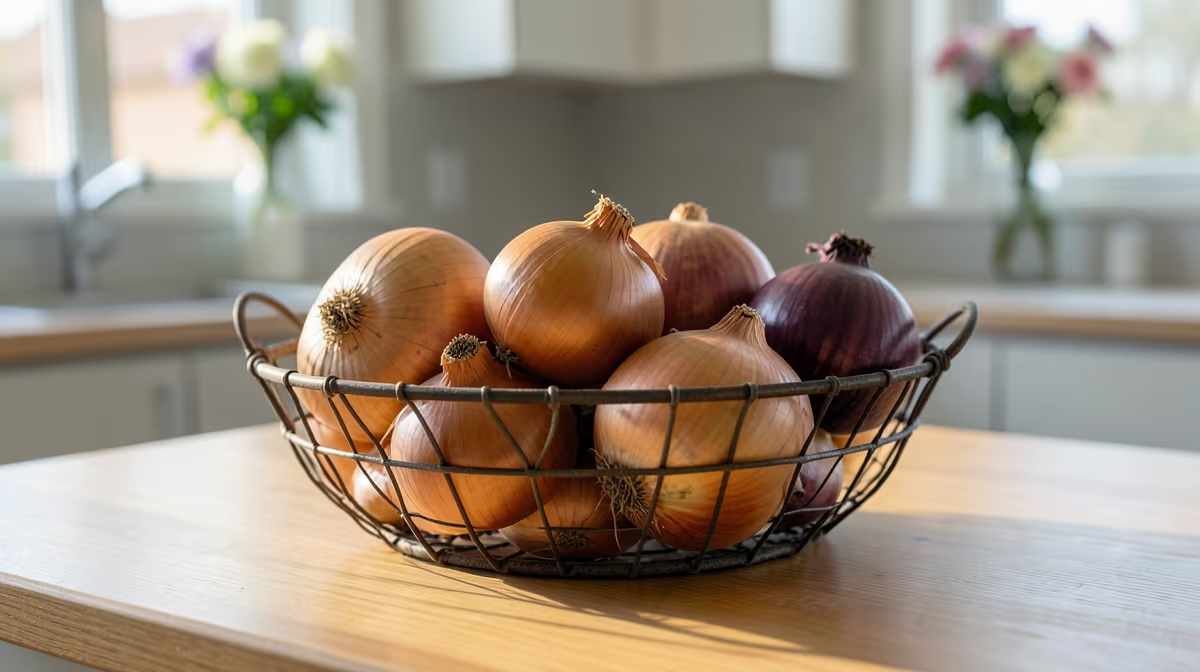
Keeping your onions from turning soft, moldy, or sprouting prematurely comes down to managing three environmental factors: airflow, moisture, and temperature. When you store onions correctly, whole bulbs can last for months without rotting, saving you money and reducing food waste in your kitchen.
Understanding Onion Storage Requirements
Onions need a cool, dry, dark, and well-ventilated environment to stay fresh. Unlike many other vegetables, they do not thrive in airtight containers or humid environments.
- Cool temperature between 45°F and 55°F is ideal
- Complete darkness prevents premature sprouting
- Constant air circulation stops moisture buildup
- Separation from moisture-releasing produce prevents mold
Proper airflow is the single most important factor in preventing onions from rotting because trapped humidity causes the outer layers to break down and decay.
Choosing the Right Storage Containers
The container you use plays a massive role in onion longevity. Avoid plastic bags, which trap moisture and accelerate rotting within days.
- Mesh produce bags allow maximum air circulation around the bulbs
- Woven wire or wicker baskets provide sturdy open-air storage
- Perforated paper bags work well if you fold the top loosely
- Shallow cardboard boxes lined with newspaper keep onions spread out
Where to Store Whole Onions at Home
Finding the right location in your home determines how long your onions will survive. The pantry, a cool cellar, or a dark kitchen cabinet away from the stove are your best options.
- Select a space that stays consistently cool and dry
- Keep onions away from direct sunlight and heat-generating appliances
- Ensure the storage area has natural draft or airflow
- Check that the floor or shelf is free from dampness
Common Mistakes That Cause Onions to Rot
Even with good intentions, certain common habits cause onions to rot much faster than normal. Knowing what to avoid is just about as important as knowing the right steps.
- Storing onions inside the refrigerator, which introduces too much humidity and turns them mushy
- Keeping onions and potatoes together, as gases released by potatoes accelerate sprouting in onions
- Leaving onions in sealed plastic packaging from the grocery store
- Stacking onions too deeply in a single pile, which bruises the bottom layers
How to Handle and Store Cut Onions
Once an onion is cut, its storage needs change entirely. Cut onions cannot be kept at room temperature and require immediate cold storage.
| Onion State | Storage Location | Maximum Shelf Life |
|---|---|---|
| Whole Bulbs | Cool, dark pantry | 2 to 3 months |
| Sliced or Diced | Airtight container in fridge | 7 to 10 days |
| Peeled Whole | Sealed container in fridge | 10 to 14 days |
Frequently Asked Questions
Can I store whole onions in the refrigerator?
No, whole onions should not be stored in the fridge because the cold and humid environment breaks down their cell walls, making them mushy and prone to mold.
Why do potatoes and onions ruin each other?
Potatoes release moisture and ethylene gas, which causes onions to sprout and rot quickly, while onions release moisture that makes potatoes spoil faster.
How can I tell if a stored onion has gone bad?
A spoiled onion will feel soft or mushy, develop dark spots or mold, and often emit a strong, unpleasant sour odor instead of a sharp allium scent.
Can I freeze whole or cut onions to prevent rotting?
Yes, you can freeze chopped onions for long-term storage, though they will lose their crisp texture and should only be used in cooked dishes afterward.
Conclusion
Storing onions properly requires a cool, dark, and well-ventilated space away from potatoes and plastic bags. By ensuring steady airflow and keeping them dry, you can easily prevent rotting and keep your onions fresh for months.