
How to Store Potatoes for Longer to Prevent Sprouting
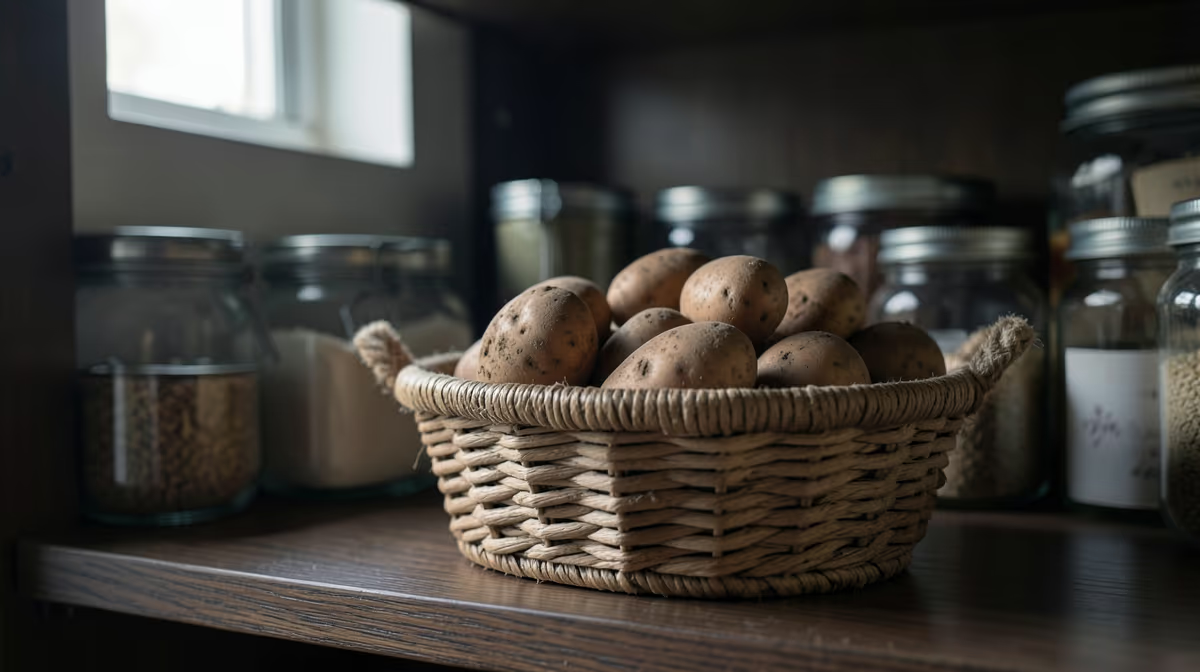
Potatoes can last for several months when kept in the right environment, but warm temperatures and sunlight will cause them to sprout and soften within weeks. To store potatoes for longer, you need to mimic the dark, cool, and well-ventilated conditions of a root cellar right in your home. Managing moisture and airflow is the most effective way to keep your potatoes firm and edible over an extended period.
Ideal Environment for Potato Storage
Finding the right spot in your kitchen or home is the foundation of extending the shelf life of your potatoes. The ideal storage temperature sits between 45 and 55 degrees Fahrenheit, which is slightly cooler than a typical modern room. Basements, unheated garages, or a cool pantry floor often provide these optimal temperature ranges.
- Keep potatoes away from direct sunlight and artificial light to prevent greening
- Maintain steady coolness without freezing the tubers
- Choose a location with consistent ambient temperatures
Choosing the Right Storage Containers
The container you use plays a major role in how long your potatoes will stay fresh. Plastic bags trap humidity and accelerate rotting, which ruins the vegetables quickly. Instead, you need containers that allow constant air circulation around every potato.
- Use breathable mesh bags, burlap sacks, or wire baskets
- Line wooden crates or cardboard boxes with paper bags and poke holes for ventilation
- Avoid airtight plastic bins or sealed glass containers entirely
Preparing Potatoes Before Storing
How you handle your potatoes before putting them away determines whether they survive storage or rot early. Washing potatoes adds unnecessary moisture that invites mold growth and bacterial decay.
- Brush off loose dry dirt gently with a soft brush or a dry cloth instead of washing
- Inspect your batch thoroughly and discard any tubers that are soft, bruised, or showing deep cuts
- Keep damaged potatoes separate and use them immediately rather than risking the whole batch
Common Mistakes to Avoid
A few common habits can ruin a fresh batch of potatoes within days. Storing potatoes inside the refrigerator is one of the most frequent errors home cooks make. The cold refrigerator temperature converts the natural starches in potatoes into sugar, changing their flavor and causing them to discolor during cooking.
- Never store raw potatoes in the refrigerator
- Do not store potatoes directly next to onions, as onions release ethylene gas that triggers rapid sprouting
- Avoid stacking potatoes in massive, deep piles that block airflow to the ones at the bottom
Tips for Monitoring and Maintenance
Even with ideal storage conditions, checking on your potatoes regularly is necessary to prevent waste. Tubers can occasionally go bad unexpectedly, and one spoiled potato will quickly affect the ones surrounding it.
Check your potato stash every week to remove any individual tubers that have become soft, wrinkled, or sprouted.
Proper ventilation, complete darkness, and cool temperatures are the three essential rules you must follow to store potatoes for longer.
Frequently Asked Questions
Can I eat potatoes that have started sprouting?
Yes, as long as the potato is still firm to the touch, you can simply cut off the sprouts and any green parts before cooking. Discard potatoes that have become shriveled, soft, or completely mushy.
Why should I never store potatoes in the refrigerator?
The cold temperature inside a standard refrigerator breaks down the starches in potatoes into sugars. This alters their sweet taste and causes them to turn dark brown or black when you cook them.
Should I wash potatoes before putting them in the pantry?
No, you should never wash potatoes before storing them. Moisture encourages mold and rot, so keep them dry and only brush off loose dirt with your hands or a dry cloth.
Why do potatoes rot faster when stored next to onions?
Onions release a natural ripening gas called ethylene. When potatoes are exposed to this gas, it accelerates their internal aging process, leading to rapid sprouting and spoilage.
Conclusion
Storing your potatoes in a cool, dark, and well-ventilated space without washing them will keep them fresh for months. By avoiding the refrigerator and keeping them away from onions, you eliminate the main causes of early spoilage and food waste in your kitchen.